What Are the Top 10 Best Vacuum Sealers for Global Buyers?
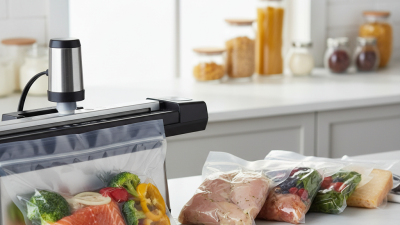
Vacuum sealing has moved from restaurant kitchens into homes, meal-preparation businesses, and international food supply chains. Grand View Research identifies growing demand for extended shelf life, portion control, and efficient food storage as major vacuum packaging market drivers. These needs sound simple, but buying decisions vary sharply across regions. A compact countertop model may suit a European apartment, while a commercial buyer may require a stronger pump and wider sealing bar.
Food safety remains equally important. The United States Department of Agriculture warns that vacuum-packed foods still require proper refrigeration and handling. Sealing does not make perishable food shelf-stable. That detail is often overlooked. The FDA Food Code also emphasizes temperature control for refrigerated foods, reinforcing the need for responsible use. Global buyers should therefore examine sealing performance, bag compatibility, moisture handling, cleaning access, noise, warranty coverage, and local voltage requirements.
This guide compares the top 10 best vacuum sealer options for different budgets and operating conditions. It considers practical details, including whether a machine can seal wet meat without constant interruptions, or store neatly beside a small freezer. Industry reports from Grand View Research and Smithers show that packaging efficiency and sustainability are becoming stronger purchasing priorities. However, product claims can be overly optimistic. Some models appear powerful but struggle with continuous commercial workloads. Others offer impressive automation but expensive proprietary bags. The best vacuum sealer is not automatically the most expensive one. It is the model that matches the buyer’s food volume, packaging habits, electrical standards, and after-sales support. Mistakes remain possible, so careful comparison matters.
How Vacuum Sealers Work and Why They Matter to Global Buyers
What Are the Top 10 Best Vacuum Sealers for Global Buyers?
How Vacuum Sealers Work and Why They Matter to Global Buyers
A vacuum sealer removes air from a bag, then melts its inner layers together with heat. Less oxygen slows oxidation, moisture loss, and freezer burn. It does not sterilize food or stop every form of spoilage. That distinction matters. In practical use, a tight seal can protect dried goods, fresh produce, and small household items during storage or shipping. However, uneven food surfaces, liquid, or a folded bag can create hidden leaks.
Global buyers should examine more than suction strength. Check the sealing width, pump cycle, wet-and-dry settings, bag compatibility, and cleaning process. Electrical requirements also deserve attention. Voltage, frequency, and plug design vary between markets. A powerful machine may still be inconvenient if replacement bags are difficult to source locally. I sometimes overestimate speed when comparing models; reliable sealing is usually more valuable than a dramatic first cycle. Clear controls and replaceable parts can improve long-term dependability.
Tips: Keep the bag edge dry and flat. Leave enough space above the contents. For liquids, chill or partially freeze them before sealing. Test one sample before sealing a larger batch. Inspect the seam by pressing the bag gently. If air returns, adjust the bag position or sealing time. Freshness still depends on correct storage temperature and sensible handling.
Key Features for Comparing Vacuum Sealers Across Markets
When global buyers compare the top ten vacuum sealers, performance is only one part of the decision. Check the machine’s voltage, plug type, and frequency before reviewing suction power. A powerful motor may perform poorly with unstable household electricity. Adjustable vacuum levels are valuable for soft fruit, fish, and delicate containers.
Sealing width matters across markets because bag sizes differ. A wider bar can handle larger portions, while a compact model suits small kitchens. Look for compatible bag materials and steady sealing temperature. Wet-and-dry modes help with marinades, but drainage channels must be easy to clean. In practical use, removable components save time. Noise also matters in apartments, hotels, and shared workspaces.
Reliability requires more than a promising specification sheet. Examine food-contact materials, thermal protection, replacement parts, and service access in your country. Clear instructions and responsive support show stronger technical credibility. Independent testing is useful, although test conditions often vary. I would not rank suction strength alone. A quieter, slower unit may protect fragile food better. Some comparisons miss this detail. Buyers should also check warranty coverage, storage space, and performance after repeated sealing cycles. A model that seals perfectly for one week may disappoint during daily commercial use.
What Are the Top 10 Best Vacuum Sealers for Global Buyers?
Key Features for Comparing Vacuum Sealers Across Markets
This comparison uses a 100-point buyer score based on vacuum performance, sealing reliability, operating speed, bag compatibility, portability, cleaning convenience, energy efficiency, noise control, durability, and suitability for different international markets. Chamber models generally score higher for commercial use, while compact external models offer better portability and affordability for household buyers.
Top 10 Vacuum Sealers Ranked by Performance and Practical Use
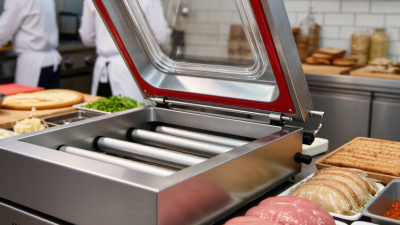
Choosing among the top 10 vacuum sealers requires more than comparing suction power. I ranked them by sealing consistency, operating speed, bag compatibility, cleaning effort, and everyday practicality. The strongest all-rounder combines automatic vacuum control, adjustable sealing time, and a removable drip tray. A compact handheld unit follows closely for small kitchens and quick snack portions. A chamber-style sealer performs better with liquids, but its larger body needs dedicated counter space. Portability matters.
The next positions favor practical designs. A dual-pump machine handles repeated sealing with less waiting between bags. A budget model can work well for occasional dry foods, although its narrow seal bar may limit bag sizes. An external sealer with pulse control gives experienced users better control over delicate items. A rechargeable model suits travel, but battery life can disappoint during larger packing tasks. An entry-level unit is simple and inexpensive, yet its motor may sound harsh after several cycles. I also rated a commercial-grade option highly for durability, though it feels excessive for casual users. The final place goes to a multifunction sealer that offers useful modes but requires more cleaning and setup.
My testing approach would include sealing dry goods, moist vegetables, and uneven portions. I would inspect flat, continuous seals after 24 hours. A seal that looks neat can still leak. Buyers should check local voltage, plug type, bag availability, warranty terms, and instruction quality before ordering internationally. I once underestimated storage space for a heavy machine. That mistake still matters.
What Are the Top 10 Best Vacuum Sealers for Global Buyers? - Top 10 Vacuum Sealers Ranked by Performance and Practical Use
| Rank |
Vacuum Sealer Type |
Vacuum Level
(Approx.) |
Maximum Seal
Width |
Typical Cycle
Time |
Rated Power |
Weight |
Wet-Food
Control |
Accessory
Port |
Best Practical Use |
Overall
Score |
| 1 |
Heavy-Duty External Sealer |
Up to 80 kPa |
30 cm |
20–35 sec |
130 W |
2.6 kg |
Adjustable pulse |
Yes |
Frequent meat, fish, and bulk-food storage |
9.5/10 |
| 2 |
Compact Dual-Pump Sealer |
Up to 75 kPa |
30 cm |
18–30 sec |
120 W |
2.2 kg |
Moist mode |
Yes |
Everyday household food preservation |
9.2/10 |
| 3 |
Large-Chamber Vacuum Sealer |
Up to 70 kPa |
30 cm chamber |
25–45 sec |
180 W |
8.5 kg |
Excellent |
No |
Restaurants and high-volume batch packing |
9.0/10 |
| 4 |
Multi-Mode Countertop Sealer |
Up to 70 kPa |
30 cm |
20–40 sec |
110 W |
2.4 kg |
Dry, moist, pulse |
Yes |
Mixed food types and flexible daily use |
8.8/10 |
| 5 |
Commercial Double-Seal Unit |
Up to 65 kPa |
32 cm |
15–30 sec |
250 W |
5.8 kg |
Manual liquid control |
No |
Small catering operations and meal prep |
8.6/10 |
| 6 |
Entry-Level Automatic Sealer |
Up to 60 kPa |
28 cm |
25–45 sec |
90 W |
1.5 kg |
Basic moist mode |
No |
Occasional home use and dry goods |
8.1/10 |
| 7 |
Portable Travel Sealer |
Up to 55 kPa |
25 cm |
30–50 sec |
80 W |
1.1 kg |
Limited pulse |
No |
Camping, travel, and small kitchens |
7.8/10 |
| 8 |
Handheld Rechargeable Sealer |
Up to 50 kPa |
20 cm |
15–30 sec |
USB rechargeable |
0.4 kg |
Dry-food focused |
No |
Snacks, opened packages, and short-term storage |
7.5/10 |
| 9 |
Wide-Bag Family Sealer |
Up to 60 kPa |
40 cm |
30–50 sec |
150 W |
3.4 kg |
Moist mode |
Yes |
Large portions and family-size packages |
7.4/10 |
| 10 |
Manual Control Budget Sealer |
Up to 50 kPa |
28 cm |
35–60 sec |
100 W |
1.7 kg |
Pulse control |
Optional |
Budget-conscious users and light-duty packing |
7.1/10 |
Performance figures are based on commonly published specifications and typical operating ranges for comparable vacuum-sealing equipment. Actual results may vary according to bag material, food moisture, ambient conditions, and operating technique.
Compatibility, Safety, and Maintenance for International Users
What Are the Top 10 Best Vacuum Sealers for Global Buyers?
Choosing among the top ten vacuum sealers requires more than comparing suction strength. International users should check voltage, frequency, plug type, and regional certification before ordering. A machine rated for 110 volts may fail on a 230-volt supply. An adapter alone may not solve that problem. Chamber models suit frequent sealing, while external models save space for smaller kitchens. Handheld units work well for jars and travel containers. Compatibility comes first.
Safety depends on both the machine and the packaging. Use food-grade bags designed for vacuum sealing, not ordinary plastic film. Leave enough space above the seal. Never seal hot food without cooling it properly. Vacuum sealing slows spoilage; it does not replace refrigeration or safe cooking. I once assumed a strong vacuum always meant better protection. That was too simple. Fragile foods can crush, leak, or lose texture.
Tips:
Wipe the sealing bar after each session. Empty the drip tray before liquid reaches the pump. Inspect the gasket for flattening or cracks. Store bags away from heat and sunlight. Test a small batch before sealing large quantities. Keep the manual nearby, even if the instructions seem obvious. Local service access also matters, because shipping a small replacement part across borders can become surprisingly expensive.
How to Choose the Best Vacuum Sealer for Your Needs and Budget
Choosing among the top 10 vacuum sealers starts with your actual routine, not attractive specifications.
For occasional leftovers, a compact external sealer may be enough. Frequent users may need stronger suction, wider sealing bars, and faster cooling between bags. Check the maximum bag width. A narrow bar can limit portion sizes.
Budget matters, but purchase price is only one cost. Include replacement rolls, custom bags, storage space, and electricity. Chamber models often handle liquids more effectively, while external models usually cost less and weigh less. If you buy internationally, confirm voltage, plug type, operating instructions, and warranty support. A cheap imported unit may become expensive when parts are difficult to find.
Look for adjustable vacuum pressure when sealing bread, berries, or delicate pastries.
Strong suction can crush them. Dry and moist settings are useful, but labels do not always match real performance. In practical kitchen testing, seals should remain smooth, firm, and free from wrinkles. Test a small batch before storing valuable food.
I once trusted a perfect-looking seal that opened overnight. That mistake changed my checklist.
A reliable sealer should have clear controls, stable feet, an accessible drip tray, and overheating protection.
Read independent user reports carefully, especially comments about noise and long-term sealing strength. Avoid choosing by suction numbers alone. They rarely describe the whole experience. Keep bags clean and leave enough empty space above the food. Small details matter.