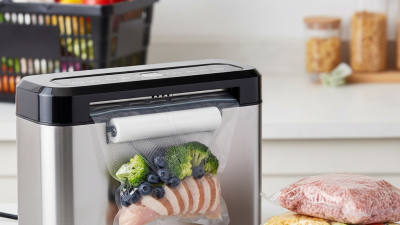

How to Choose a Vacuum Packer for Global Sourcing?

Choosing a vacuum packer for global sourcing is not simply a price comparison. It is a decision about product protection, production speed, maintenance, and compliance.

Grand View Research reports continued growth in the global vacuum packaging market, driven by food safety, longer shelf life, and demand for efficient distribution. MarketsandMarkets also identifies automation, flexible packaging formats, and equipment reliability as major purchasing factors. These reports show opportunity, but they do not choose the machine for you. A seafood processor in Norway may need corrosion-resistant construction. A dried-food exporter in Southeast Asia may value high cycle speed and low energy consumption. The correct vacuum packer depends on the product, film, factory layout, and destination market.

Karl Busch, founder of Busch Vacuum Solutions, once said, “Vacuum technology makes production processes more efficient.” That principle remains practical. A reliable machine should create a stable seal, remove air consistently, and recover quickly between cycles. It should also offer accessible spare parts and trained service support near your operation.

Look closely.

Ask suppliers for seal-width tolerances, pump performance under real workloads, chamber dimensions, and tested cycle times. Request sample trials using your actual products and packaging films. A glossy specification sheet can hide disappointing results. I have seen buyers focus on purchase price, then discover expensive downtime, difficult cleaning, or incompatible voltage requirements.

This guide explains how to compare vacuum packer types, suppliers, certifications, operating costs, and after-sales support. The goal is not the most powerful machine. It is the most dependable fit for your global sourcing plan.
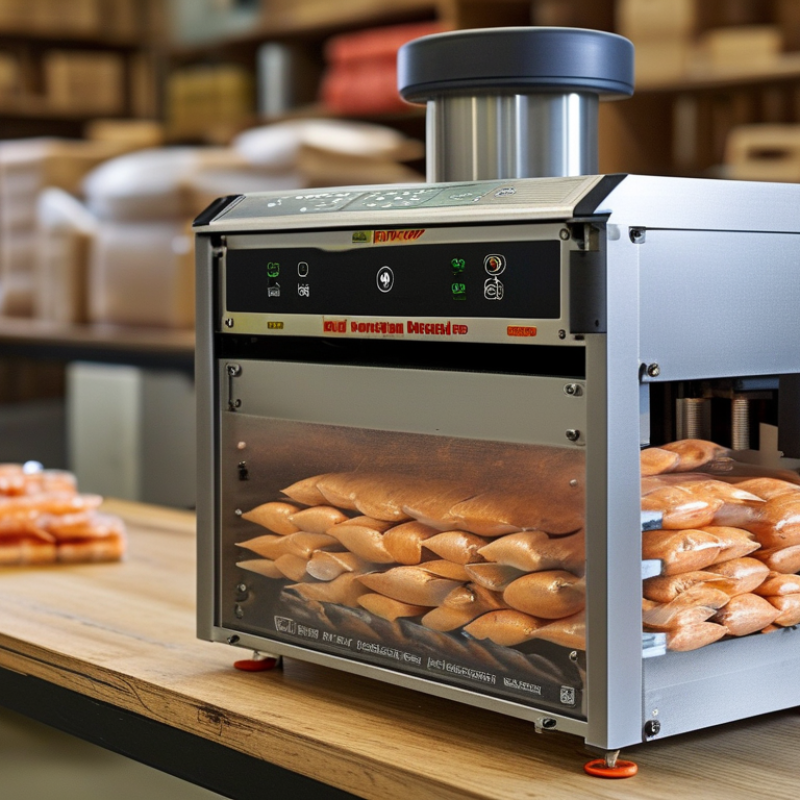
How to Choose a Vacuum Packer for Global Sourcing?

Define Your Vacuum Packing Requirements and Product Specifications

How to Choose a Vacuum Packer for Global Sourcing?

Define your vacuum packing requirements before comparing equipment. Measure the product’s length, width, height, and weight. Include irregular shapes, sharp edges, and delicate surfaces. A machine that handles flat bags may struggle with sauces or bone-in items. Test real samples. Product moisture, texture, and air volume affect vacuum performance.

Specify the required vacuum level, sealing width, cycle time, and daily output. For frequent production, chamber size and pump capacity need careful checking. Choose bag materials that match temperature, thickness, and barrier requirements. Confirm whether the machine supports your preferred bag dimensions. Ask suppliers for test videos, technical drawings, maintenance instructions, and performance records. Do not rely on attractive photographs.

Global sourcing adds practical details. Check voltage, frequency, plug type, language support, spare parts, and operator training. Verify electrical and product-contact requirements in the destination market. Request a sample run using your actual packaging. Measure seal strength and inspect leaks after storage and transport. A specification sheet can still mislead. The first requirement list may be incomplete. Review it with production, quality, and logistics teams. A smaller machine may suit low volumes better, while a larger model could waste energy and working space. Leave room for honest uncertainty. Your product may change.

Compare Vacuum Packer Types, Features, and Operating Methods

Choosing a vacuum packer for global sourcing requires comparing machine types, features, and operating methods—not only purchase prices. Grand View Research estimated the global vacuum packaging market at approximately USD 29.9 billion in 2023, with continued growth expected through 2030. This expansion increases equipment choices, but also creates confusion.

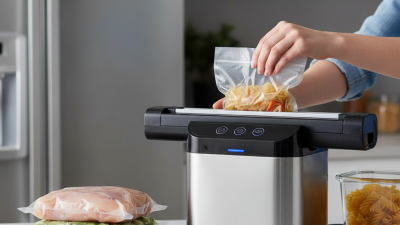
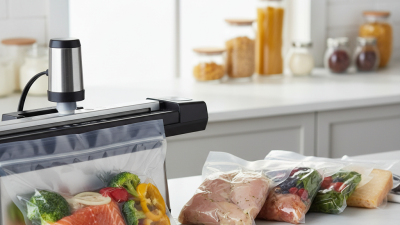
External-suction machines suit small batches and flat pouches. They are compact, affordable, and easy to operate. However, they may struggle with liquids, powders, and heavy production cycles. Chamber machines remove air inside a sealed chamber, making them more consistent for wet foods and multiple bags. Thermoforming systems produce packaging from film rolls and support high throughput, but they require greater investment, skilled maintenance, and precise tooling. A perfect machine rarely exists.

Compare vacuum level, seal-bar length, pump capacity, cycle time, and compatible film thickness. Gas-flushing capability can protect fragile products, while digital sensors help control temperature and sealing pressure. In real procurement work, a quoted cycle speed can look impressive but may exclude loading, cooling, and cleaning time. Test the complete operating method with your actual product. Ask suppliers for power compatibility, documentation, spare-parts availability, and service response outside their home market. PMMI industry reports consistently identify automation, labor efficiency, and flexible packaging formats as major equipment priorities. Those priorities matter, but reliability still depends on operator training and preventive maintenance. Source data should be checked carefully; market estimates vary by definition and region.

How to Choose a Vacuum Packer for Global Sourcing? - Compare Vacuum Packer Types, Features, and Operating Methods

Vacuum Packer Type Typical Operating Method Suitable Products Common Bag or Film Format Typical Vacuum Performance Key Features Main Advantages Main Limitations
External Suction Packer The open end of a textured or embossed bag is placed outside the machine. The pump removes air through the bag surface, followed by heat sealing. Dry foods, household items, clothing, documents, small hardware, and low-volume retail products. Textured vacuum bags or rolls designed for external-air extraction. Commonly reaches approximately 0.6–0.9 bar vacuum, depending on the pump, bag, product, and ambient conditions.
  • Compact footprint
  • Low entry cost
  • Adjustable vacuum and sealing time on many models
  • Often suitable for intermittent use
Affordable, portable, and easy to operate for small batches. Usually slower than chamber machines; not ideal for liquids, powders, or products with sharp edges; requires compatible textured bags.
Single-Chamber Packer The complete bag is placed inside a sealed chamber. The chamber and bag are evacuated together, then the bag mouth is heat sealed before the chamber returns to atmospheric pressure. Meat, seafood, cheese, vegetables, sauces, liquids, powders, and general industrial parts. Smooth vacuum pouches, barrier bags, and custom-size chamber bags. Commonly reaches approximately 0.8–0.99 bar vacuum, depending on the pump capacity and product conditions.
  • Works with smooth bags
  • Better control of liquid and air movement
  • Adjustable vacuum, gas flush, sealing, and cooling settings
  • Available with oil-lubricated or dry pumps
Versatile and suitable for food, medical, and industrial applications. Larger and more expensive than external suction units; chamber dimensions limit product size.
Double-Chamber Packer One chamber is loaded while the other chamber performs vacuuming and sealing. The lid or worktable alternates between chambers to support continuous production. Meat processors, food factories, wholesalers, catering operations, and medium-volume industrial packaging. Smooth vacuum pouches, heavy-duty barrier bags, and standardized production bags. Commonly reaches approximately 0.8–0.99 bar vacuum, with performance determined by pump size and cycle settings.
  • Higher throughput than a single-chamber model
  • Multiple sealing bars may be available
  • Programmable vacuum and sealing cycles
  • Optional gas flushing and soft-air functions
Improves operator productivity while retaining chamber-packer flexibility. Requires more floor space, operator training, cleaning, and maintenance investment.
Nozzle-Type Packer A retractable nozzle enters the bag, removes air, and then withdraws before the bag is sealed. Some systems can inject nitrogen or another approved gas before sealing. Large bags, powders, coffee, grains, pet food, chemicals, and products requiring modified-atmosphere packaging. Open-mouth bags made from polyethylene, laminated films, or other heat-sealable structures. Vacuum level varies significantly with bag material, product porosity, nozzle design, and pump capacity.
  • Suitable for large-format bags
  • Can support gas flushing
  • Useful for porous or granular products
  • Can be integrated with weighing and filling equipment
Handles bag sizes and product formats that may not fit standard chambers. Bag positioning and nozzle cleanliness are important; porous products may retain residual air; sealing consistency requires careful setup.
Thermoforming Vacuum Packer The machine forms a bottom web into pockets, fills the pockets, removes air, seals a top web, and cuts the finished packs in an automated sequence. Sliced meat, cheese, seafood, ready meals, medical products, and high-volume retail packs. Rollstock consisting of a formable bottom film and a heat-sealable top film. Vacuum performance depends on the pump, film structure, seal design, and product geometry; high vacuum and gas flushing are commonly available.
  • Continuous automated production
  • Repeatable pack dimensions
  • Optional gas flushing, skin packaging, and printing integration
  • Reduced manual bag handling
High output, efficient material use, and strong automation potential. High purchase cost, complex tooling, longer changeover, and greater technical-service requirements.
Tray Sealer with Vacuum or Gas Flush A preformed tray is loaded into a chamber or tooling set. Air is removed or replaced with gas, and a lidding film is heat sealed to the tray. Fresh meat, prepared meals, produce, bakery products, seafood, and convenience foods. Rigid or semi-rigid trays with compatible lidding film. Vacuum or modified-atmosphere performance depends on tray design, sealing quality, gas ratio, and product respiration.
  • Attractive retail presentation
  • Supports vacuum skin and modified-atmosphere formats
  • Easy integration with labeling and coding systems
  • Can use recyclable or lightweight tray structures when compatible
Provides rigid protection and consistent shelf-ready presentation. Tray and film costs can be higher; format changes may require tooling; packaging dimensions are less flexible than bags.
Continuous-Belt Vacuum Packer Bags are automatically conveyed into a chamber or sealing area. Vacuuming and sealing occur continuously or in overlapping cycles. Repetitive packaging of meat, seafood, vegetables, and other standardized products. Smooth vacuum pouches, typically with consistent dimensions and seal locations. Commonly provides chamber-level vacuum performance, with the final result affected by product shape and bag loading.
  • Reduced manual handling
  • Consistent bag positioning
  • Suitable for production-line integration
  • Can include conveyors, printers, checkweighers, or metal detectors
Supports higher throughput and more consistent production control. Requires standardized products and layout planning; higher capital and maintenance requirements.
Evaluation Dimension What to Check Before Sourcing Why It Matters Recommended Requirement for Suppliers Verification Method
Product Characteristics Product size, weight, moisture, temperature, sharp edges, powder content, porosity, and sensitivity to compression. Product characteristics determine the suitable machine type, bag material, vacuum speed, and risk of leakage or deformation. Provide sample products and request a packaging test using the intended production settings. Review test packs for leaks, crushed products, residual air, liquid migration, and seal quality.
Required Throughput Target packs per minute or per hour, working shifts, number of operators, and expected seasonal demand. A machine rated for an average cycle may not meet the required output after loading, unloading, cleaning, and changeover time are included. Request measured output under the actual product and bag conditions, not only an empty-bag cycle time. Conduct a timed production trial with representative operators and materials.
Vacuum Pump Pump type, nominal displacement, ultimate vacuum, oil capacity, filtration, cooling method, and service interval. Pump performance affects cycle time, final residual air, energy use, noise, and long-term reliability. Specify the required pump capacity, vacuum target, operating hours, and replacement-part availability. Compare technical datasheets and measure vacuum time and final pressure with the intended load.
Sealing System Seal-bar length, seal width, single or double seal, sealing temperature, sealing time, cooling time, and wire or flat-bar design. A strong, clean seal is essential for shelf life, transport protection, and reduced leakage claims. Require adjustable sealing parameters and compatibility with the selected film structure and thickness. Perform visual inspection, burst testing, peel testing, and leak testing on finished packs.
Control and Operating Method Digital settings, recipe storage, cycle counters, alarm messages, manual override, password control, and language options. Clear controls reduce operator errors and support repeatable production across different countries and shifts. Request an English interface, documented recipes, operating instructions, and training materials. Test setup, recipe recall, alarm handling, emergency stop, and operator access levels.
Material Compatibility Smooth or embossed bags, barrier properties, film thickness, tray material, lidding film, and sealant layer. The wrong material can prevent air extraction, cause weak seals, or increase packaging waste. Confirm approved material specifications and request a material compatibility matrix. Run trials with the exact bag or film intended for commercial production.
Hygiene and Cleanability Stainless-steel construction, sloped surfaces, removable components, liquid collection, washdown rating, and access to the chamber. Food and wet-product applications require efficient cleaning to reduce contamination and downtime risks. Specify the required hygiene level, cleaning procedure, drainage design, and compatible cleaning chemicals. Inspect welds, corners, seals, drainage points, and access panels during factory acceptance testing.
Electrical and Utility Requirements Voltage, frequency, phase, rated power, compressed-air demand, plug type, and local installation conditions. Utility mismatches can prevent installation, reduce performance, or require costly electrical modifications. Request a complete utility specification for the destination country before placing the order. Match the machine nameplate and technical drawings with the importing site's electrical and utility data.
Safety and Compliance Emergency stops, guarding, electrical protection, pressure-related safety, hot-surface protection, and applicable destination-market requirements. Safety compliance protects operators and reduces customs, installation, and insurance complications. Ask for a risk assessment, conformity documentation, manuals, wiring diagrams, and safety-component specifications. Review documents and conduct a functional safety inspection before shipment and commissioning.
After-Sales Support Spare-parts list, remote support, service response time, technician availability, warranty scope, and training. Vacuum equipment downtime can affect product quality and shipment schedules. Include spare parts, preventive-maintenance schedules, troubleshooting guides, and response-time commitments in the purchase agreement. Request references for installations in the target region and test the remote-support process.
Total Cost of Ownership Machine price, tooling, bags or film, pump oil, electricity, labor, cleaning, maintenance, spare parts, freight, and import costs. The lowest purchase price may result in higher operating costs or shorter service life. Request a five-year cost estimate based on planned output and local utility prices. Compare supplier quotations using the same output, material, warranty, installation, and service assumptions.
Practical selection rule: Choose an external suction machine for occasional small-batch work, a chamber machine for flexible products and wet applications, a double-chamber or continuous system for higher throughput, and a thermoforming or tray-sealing line when automation and standardized retail presentation are primary requirements. Actual vacuum levels, cycle times, and output should always be confirmed through product trials and supplier acceptance testing.

Evaluate Sealing Performance, Materials, and Packaging Compatibility

Choosing a vacuum packer for global sourcing requires more than comparing pump power. Sealing performance determines whether food, electronics, or industrial parts remain protected during long transit. I check seal width, temperature stability, pressure control, and cycle consistency. A seal should remain continuous, without wrinkles, channels, or burnt edges. Small defects matter.

ASTM F88 measures seal strength, while ASTM F1929 helps detect channel leaks in porous packaging. These tests support ISO 11607 validation for sterile barrier systems. According to the Food and Agriculture Organization, about 13.2% of food is lost between harvest and retail. Better packaging cannot solve every loss, but weak seals can increase it. In practical trials, I test ten consecutive cycles, then inspect seals after cooling and handling. One perfect sample proves little.

Material compatibility deserves equal attention. Polyethylene, multilayer films, foil laminates, and barrier pouches require different heat ranges and dwell times. A machine designed for thin household bags may struggle with thick, stiff laminates. Smithers’ flexible packaging analysis projects continued global growth through 2028, increasing the need for equipment that handles varied materials. I would request sample testing before purchase. My own evaluations sometimes overvalue speed. That is a mistake. A fast cycle with unstable sealing can create expensive rework, especially when suppliers use films from different production lots. Check voltage, spare-part access, operator training, and documented test results before approving a globally sourced unit.

Assess Supplier Reliability, Certifications, Costs, and Global Logistics

Choosing a vacuum packer for global sourcing requires more than comparing purchase prices. Supplier reliability should be tested through factory records, response speed, spare-parts availability, and documented quality controls. ISO’s 2022 survey recorded over 1.26 million ISO 9001 certificates worldwide, but certification alone proves little. Check the certificate scope, issuing body, audit date, and production site. Request sample machines and measure seal strength, vacuum stability, cycle time, and noise under real workloads.

Certifications should match your market and application. Ask for electrical safety documents, food-contact declarations, and material traceability where relevant. Costs must include tooling, packaging, operator training, maintenance, customs, insurance, and replacement pumps. A cheaper machine can become expensive after one failed shipment. UNCTAD reports that maritime transport carries over 80% of global merchandise trade by volume. Therefore, inspect export packaging, moisture protection, container loading, and delivery terms. The World Bank’s 2023 Logistics Performance Index also shows significant differences in customs, infrastructure, and shipment reliability across economies. Delivery estimates need evidence, not optimism.

Tips: Compare three suppliers using the same technical specification. Contact two recent overseas customers. Confirm who pays for damaged parts. Keep a small spare-parts kit onsite. I would still challenge every promised lead time. Real production is messier than a quotation. Supplier audits can miss problems between visits, so require batch records, video inspections, and a clear corrective-action process before placing a large order.

Verify the Machine Through Testing, Inspection, and After-Sales Support

When global sourcing a vacuum packer, verify performance before discussing price. A polished factory video is not proof. Grand View Research’s Vacuum Packaging Market report valued the market at about USD 29.9 billion in 2023, with continued growth forecast. That growth raises the cost of choosing an unreliable machine. Request a witnessed factory acceptance test using your actual film, product shape, and target cycle rate. Measure final vacuum level, seal temperature, seal width, cycle time, and noise. Record results, not promises.

Run repeated cycles, including cold starts and deliberately uneven bags. Inspect seal strength with ASTM F88 and gross leaks with ASTM D3078, or an equivalent validated method. For food applications, confirm cleanability, material contact declarations, and electrical safeguards against applicable requirements. A third-party inspector should check wiring, welds, guarding, calibration labels, and the packing list. Ask for raw test videos and signed records. The test can still miss operator mistakes. That is where sourcing teams often underestimate risk.

After-sales support needs measurable terms. Specify response time, remote diagnosis, spare-part availability, technician travel rates, training, and warranty exclusions. The FAO’s Global Food Losses and Food Waste report estimates that roughly one-third of food produced globally is lost or wasted. Weak seals deserve serious attention. Yet no report replaces a site trial. Keep one sealed sample from every test. It may expose a problem later.