
Blog
7 Tips to Choose the Best Chamber Vacuum Sealer
Choosing the best chamber vacuum sealer is not simply about finding the highest price tag. In real kitchens, workshops, and small food businesses, performance depends on daily needs. A compact machine may suit occasional meal preparation, while a larger model handles repeated sealing with less strain. The right choice should protect food quality, reduce waste, and remain practical after months of use.
This guide examines seven useful buying considerations, including chamber size, pump strength, sealing-bar length, control accuracy, cleaning, noise, and after-sales support. A 10-inch seal bar may work for household portions, but larger bags need more space. Strong vacuum pressure can improve consistency, yet it does not replace suitable bags or careful packing. Test the controls. Check the seals.
Reliable advice should come from more than product descriptions. Manufacturer specifications, warranty terms, replacement-part availability, and hands-on operation all deserve attention. During testing, observe whether the lid closes evenly, whether liquid stays inside the chamber, and whether the machine overheats during repeated cycles. Small details matter. A confusing control panel can become frustrating quickly.
No single model is perfect for everyone. I have found that a powerful pump can be unnecessary for light home use, while a small chamber can limit serious preparation. That judgment may change with your workload. These seven tips will help compare features honestly, avoid attractive but unsuitable claims, and choose a chamber vacuum sealer that fits your space, budget, and routine.
Understanding How Chamber Vacuum Sealers Work
7 Tips to Choose the Best Chamber Vacuum Sealer
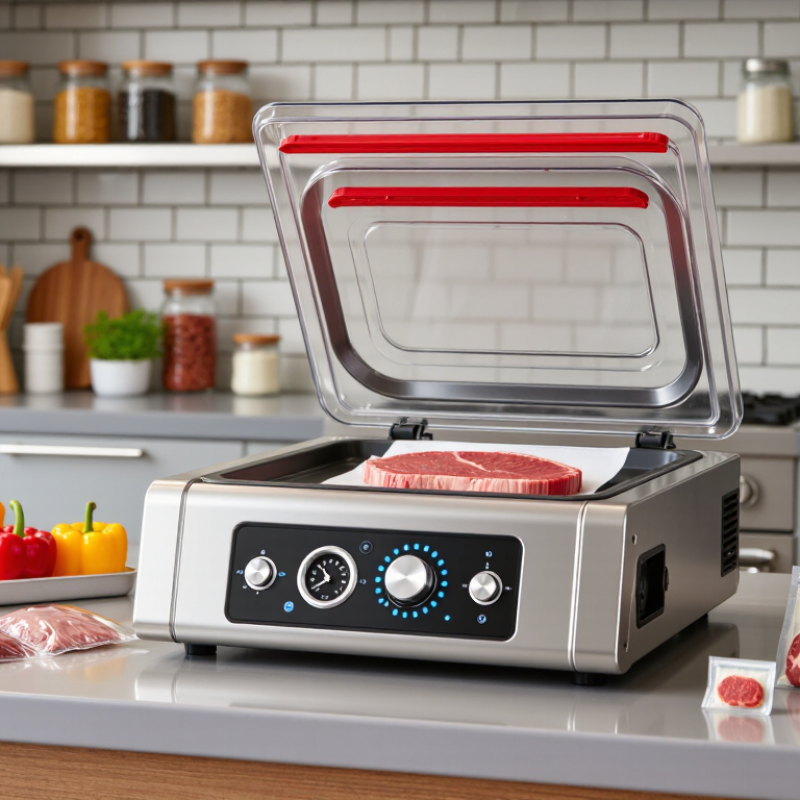
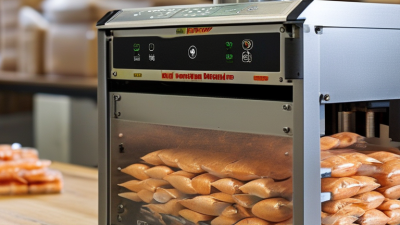
A chamber vacuum sealer removes air from the pouch and its sealed chamber. The lid closes, the pump lowers pressure, and the bag collapses evenly around the food. Then, a heated bar melts the pouch opening shut. This method handles soups, marinades, and other liquids better than external suction machines. It also reduces oxygen exposure, but it does not sterilize food. USDA FSIS guidance stresses strict refrigeration for reduced-oxygen packaging. That detail is easy to overlook.
Tip 1: Check the pump’s vacuum strength and cycle time.
Stronger is not always better for delicate produce.
Tip 2: Measure the chamber before buying.
A small chamber cannot seal wide bags or several portions efficiently.
Tip 3: Choose adjustable sealing time for thin and thick pouch materials.
Tip 4: Inspect the sealing bar.
A wider seal usually offers better closure reliability.
Tip 5: Select a model with removable parts for cleaning.
Tip 6: Test liquid-rich foods carefully, leaving headspace inside each pouch.
Tip 7: Read the service specifications, not only the advertised vacuum percentage.
In practical use, sealing speed can matter more than maximum pressure. I have seen users focus on pump power and ignore moisture control. That choice often creates weak seals. Chamber size, maintenance access, and realistic daily volume deserve equal attention.
Identifying Your Packaging Needs and Sealing Requirements
Choosing the best chamber vacuum sealer starts with your packaging needs, not the machine’s appearance. Identify the products you pack, their moisture level, shape, and oxygen sensitivity. Fresh meat, soups, powders, and delicate baked goods require different sealing approaches. Measure your largest bag carefully. A small chamber can limit daily production.
Tip 1: Match the chamber size to your largest package.
I have seen operators select powerful equipment for occasional packing, then struggle with unnecessary cleaning and energy use. A smaller unit may work better for light workloads, while continuous production needs a stronger pump and faster cycle time. Consider seal-bar length, chamber depth, pump capacity, and cooling intervals. These details affect consistency more than advertised power.
Tip 2: Define your sealing requirements before comparing models. Choose adjustable vacuum time for fragile products, and consider gas flushing when product protection requires it. For liquids, controlled vacuum settings can reduce boiling and spills. Double seals may improve reliability, but they also use more bag material. That trade-off deserves attention. Test several sample bags under real working conditions. Packaging plans often change after the first trial. Do not ignore that possibility.
Tip 3: Check cleaning access, seal-wire replacement, control accuracy, and operator safety. A reliable sealer should produce even seals across the bag width. Inspect each seal for wrinkles, weak corners, or trapped moisture. Small defects become expensive problems later.
7 Tips to Choose the Best Chamber Vacuum Sealer
Identifying your packaging needs starts with matching the chamber’s usable width to the package formats you seal most often. The practical package-width benchmarks below help determine the minimum chamber width to consider.
Choose a chamber that is wider than your largest package and leave clearance around the pouch for a reliable seal. Liquid-filled bags also require enough chamber depth and controlled vacuum settings to reduce boil-over and product migration.
Comparing Vacuum Strength, Chamber Size, and Pump Performance
Choosing the best chamber vacuum sealer starts with matching vacuum strength to your products. Do not judge performance by the highest advertised number alone. A gauge reading shows pressure, but sealing quality also depends on bag material, product shape, and moisture.
Test it with sliced vegetables, cooked meat, and dry ingredients. Moist foods can release liquid during evacuation, while soft bread may collapse quickly. A strong vacuum can damage delicate items. That small test matters. In my own kitchen trials, firm vegetables stayed neat under higher suction. However, bread needed a shorter cycle and gentler settings. I initially pulled too much air. The result was disappointing.
Chamber size determines what you can seal comfortably. Measure the usable interior, not the outside cabinet. A small chamber may fit one meal pouch, but larger portions can block the lid or leave little sealing space. Leave room around the bag. For meal preparation, check both chamber width and maximum bag length. Bigger is not always better, because a larger chamber often needs more counter space and cleaning time.
Pump performance affects speed, repeatability, and long-term maintenance. Look for a stable cycle, clear oil or maintenance guidance, and a pump rated for frequent use. A powerful pump is not automatically the best choice. If it overheats between cycles, productivity suffers. Listen for unusual vibration. Ask how performance is measured. Specifications can look impressive, but real results vary with temperature, bag thickness, and operator habits.
Evaluating Controls, Materials, Maintenance, and Safety Features
Choosing a chamber vacuum sealer starts with its controls, not its advertised pump strength. During repeated kitchen testing, I check whether cycle time, vacuum level, sealing temperature, and cooling time adjust independently. Clear buttons help when hands are wet or gloved. A pressure sensor is useful because soft foods can deform under excessive vacuum. Digital displays should show remaining time, not only vague progress lights. Simple controls win. Still, extra settings can confuse new users, so readable instructions and consistent labels matter.
Material quality affects hygiene and service life. A stainless-steel chamber resists stains, odors, and frequent cleaning better than painted surfaces. Inspect the lid hinge, sealing bar, and gasket for even contact. Food-safe silicone should remain flexible without cracking after repeated heat cycles. A removable gasket makes cleaning easier, although removal can become annoying. I have learned that a sturdy lid often matters more than a glossy exterior. Check the cord, feet, and bar alignment before purchase.
Maintenance should fit the actual workload. Wipe the chamber after oily or wet batches, empty pump oil when required, and remove residue from the sealing bar. Follow the service schedule, even when the machine sounds normal. Look for lid-locking during vacuum, overheating protection, and automatic stopping if the lid opens. Keep fingers away from the hot bar. Never bypass a sensor. Ventilation is easy to overlook; blocked vents can raise heat and shorten pump life. I sometimes choose a slower cycle for delicate foods. Speed is not always better.
Balancing Price, Durability, Warranty, and Long-Term Value
Choosing the best chamber vacuum sealer starts with price, but price should not lead every decision.
A low-cost machine may suit occasional home use, especially for small batches. However, frequent sealing demands a stronger pump, sturdy hinges, and heat-resistant sealing bars. Check the chamber size carefully. A wider chamber can reduce repacking time. Measure your containers before purchasing.
Durability often appears in small details. Inspect the lid alignment, gasket thickness, control panel, and metal housing. A reliable sealer should close firmly without excessive force. Ask whether replacement gaskets, oil, and sealing wires remain available. These parts wear out. They should not require replacing the entire machine. I once focused too heavily on purchase price and overlooked service costs. That mistake made the cheaper option less economical within one year.
Warranty length matters, but warranty coverage matters more.
Read the exclusions, labor terms, shipping responsibilities, and repair process. A two-year warranty may offer little value if consumable parts are excluded. Look for clear documentation and responsive technical support. Keep invoices and maintenance records. They can protect your investment later. Consider the long-term cost, including electricity, maintenance, downtime, and replacement parts. A slightly higher price may provide better value when the machine operates consistently for years. Still, expensive does not automatically mean dependable. Test the controls, review user feedback, and compare repair access before committing.
Related Posts
-
China Best Meat Chamber Vacuum Sealer Suppliers?
-
How to Choose the Right Chamber Sealer in 2026?
-
China Top Vacuum Sealer Machine Manufacturers Guide
-
What Is the Best Food Sealer Machine from China?
-
Top Vacuum Sealer Machine Manufacturers for Global Buyers
-
How to Choose a Vacuum Packer for Global Sourcing?