
Why Choose a Vacuum Sealer Machine for Your Business?

A vacuum sealer machine can change how a business protects, stores, and presents its products. In a busy kitchen, it removes air from a pouch within seconds. That simple action can help reduce oxidation, moisture loss, and freezer burn. It can also create cleaner portions for storage, transport, or display.

The benefits become clearer through daily use. A café may seal prepared ingredients before a morning rush. A butcher may package measured cuts with fewer leaks. A small manufacturer may protect components from dust and humidity. These examples show practical value, but results depend on packaging quality, product type, and operating habits. The machine is only one part of a reliable process.

It is not magic.

Strong performance requires suitable bags, correct sealing temperatures, and regular inspection. Staff should follow the equipment manual and maintain clean contact surfaces. Businesses must also follow applicable food-handling, labeling, and storage requirements. Technical specifications from established manufacturers can support better purchasing decisions, especially for seal width, pump capacity, cycle speed, and service availability.

The answer is not always yes. A low-volume business may prefer simpler equipment. A high-volume operation may need a chamber model instead. Electricity use, maintenance, training, and replacement parts also affect the real cost. These details are easy to overlook. This guide examines the practical reasons to choose a vacuum sealer machine, while recognizing its limits and the careful judgment every business decision requires.
Why Choose a Vacuum Sealer Machine for Your Business?

What Is a Vacuum Sealer Machine?

A vacuum sealer machine removes air from a pouch and closes it with a heated seal. This process reduces oxygen around the product. It can help slow oxidation, moisture loss, and freezer burn. For a business, that means cleaner portions and more consistent packages. A sealed pouch also takes less space in a cold room.

The machine uses a chamber or external nozzle to pull air from the bag. Then, a sealing bar melts the pouch edge and creates a tight closure. Different products need different settings. Soft bread, fresh meat, dry goods, and delicate pastries may require different pressure or sealing time. A strong seal is useful, but it does not replace refrigeration or proper food handling. It is not a magic freshness button. In practice, small wrinkles near the seal can cause leaks, and this problem is easy to overlook. Checking a few finished packages by hand is a simple quality-control step.

Tips:
Use bags designed for vacuum sealing. Leave enough space above the product for a clean seal. Wipe moisture from the sealing area before closing. Label each package with its contents and packing date. Avoid sealing sharp bones or hard edges without protection. Review failed seals weekly; they often reveal incorrect settings, overfilled bags, or careless placement. A short test run can prevent wasted materials and unhappy customers.

How Does Vacuum Sealing Work in Business Operations?

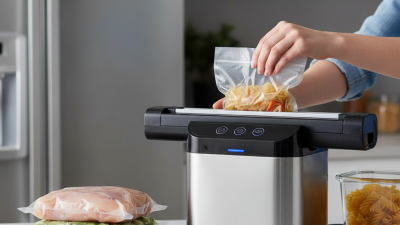
Vacuum sealing removes air from a pouch before creating a heat-sealed closure. In business operations, an operator places the product inside the pouch and positions its open edge on the sealing bar. The pump extracts air, then the bar applies controlled heat and pressure. After cooling, the package holds a tighter seal. It is not magic. The process reduces oxygen exposure, but it does not sterilize products or replace proper refrigeration.

In my experience, consistent loading matters as much as machine power. Food processors can portion ingredients, reduce freezer burn, and organize inventory more efficiently. Retail and manufacturing teams may also protect textiles, small components, or moisture-sensitive materials during storage. Operators should inspect every seal for wrinkles, trapped liquid, or weak edges. A simple pull test can reveal failures before shipment. Recording pouch type, temperature, and sealing time improves repeatability, although real production rarely stays perfect. Different materials may need different settings.

Tips: Keep the sealing area clean and dry. Do not overfill pouches. Leave enough empty space above the product. Smooth the pouch before sealing. Check samples at the start of each shift. When failures increase, review loading habits before blaming the machine. Vacuum packaging can support safer handling, but businesses must still follow product-specific storage procedures and applicable food-safety requirements.

What Business Benefits Does Vacuum Sealing Provide?

Vacuum sealing can give a business tighter control over products, storage, and daily workflow. In a small production kitchen, removing air helps slow oxidation and reduces freezer burn on meat, vegetables, and prepared meals. Staff can portion food into consistent packs, label them clearly, and stack them neatly in limited storage space. That order matters during busy service periods.

The financial benefit is practical. Better protection can reduce spoilage, discarded stock, and unnecessary repacking. Sealed portions may also support batch production, making labor easier to schedule. A café can prepare ingredients earlier, while a meal company can ship chilled products with fewer leaks. The machine itself is only part of the result. Correct bag size, clean sealing edges, and suitable storage temperatures still matter.

Small errors remain possible. A wet sealing area may create a weak closure. Overfilled bags can wrinkle and trap air near the seal. Operators need simple training and routine checks, such as pressing the finished seal before storage. Written records can track sealing dates, storage conditions, and damaged packs. These habits improve consistency and help managers investigate problems instead of guessing. Vacuum sealing does not replace hygiene procedures or temperature monitoring. It works best as one controlled step in a documented process, adjusted to the product and the business’s actual workload.

Why Choose a Vacuum Sealer Machine for Your Business? - What Business Benefits Does Vacuum Sealing Provide?

Business Benefit What Vacuum Sealing Provides Typical Business Application Useful Performance Metric Important Consideration
Longer Product Quality Removes much of the air surrounding the product, helping limit oxidation, moisture loss, and freezer burn. Meat, seafood, cheese, coffee, dried foods, and selected non-food products. Product condition at the end of the defined storage period; customer complaints related to quality. Shelf-life improvement depends on the product, packaging material, temperature, hygiene, and sealing quality.
Reduced Food Waste Creates a sealed package that can help protect products from air exposure, leakage, and handling damage. Portioning fresh ingredients, preparing meal components, and protecting slow-moving inventory. Discarded product weight or value per week; waste percentage by product category. Vacuum sealing does not replace correct refrigeration, freezing, stock rotation, or food-safety controls.
Improved Storage Efficiency Compact packages can reduce excess air around products and support more organized storage. Cold rooms, freezers, warehouses, catering kitchens, and fulfillment areas. Storage volume used per product unit; number of packages stored per shelf or container. Package shape and product protection must be checked before increasing storage density.
More Consistent Packaging A machine applies repeatable vacuum and heat-sealing settings, reducing variation between packages. Central kitchens, food processors, retail preparation, and small manufacturing operations. Seal failure rate; rework rate; average cycle time; packages completed per hour. Operators need appropriate training and routine checks for seal temperature, time, and bag placement.
Better Product Presentation Clear, tight packaging can make contents easier to identify and may reduce liquid movement inside the package. Retail-ready portions, prepared foods, specialty ingredients, and gift or subscription orders. Package appearance score; leakage incidents; customer returns related to packaging. Use packaging materials that are suitable for the product and compatible with the sealing process.
Lower Packaging and Handling Losses A sealed pouch can help protect products from exposure, minor abrasion, and leakage during routine handling. Food distribution, e-commerce fulfillment, hospitality supply, and component packaging. Damaged packages per shipment; leakage rate; replacement and refund cost. Vacuum bags can be punctured by sharp edges, bones, or improperly prepared products.
Improved Portion Control Products can be divided into measured portions before storage, service, or shipment. Restaurants, meal-preparation services, butcher shops, institutional catering, and food production. Average portion-weight variance; preparation time per portion; overproduction volume. Portion sizes should follow the business's product specifications and applicable labeling requirements.
Potential Labor Savings A repeatable machine cycle can reduce manual wrapping and support a more standardized workflow. Businesses packaging regular batches or high volumes of similar products. Labor minutes per package; completed packages per labor hour; machine utilization rate. Actual savings depend on batch size, loading time, cleaning requirements, and machine capacity.
Traceability and Inventory Control Sealed portions provide a stable surface for labels containing product, batch, date, or handling information. Food production, inventory staging, prepared-meal operations, and order fulfillment. Label accuracy; batch-record completion; stock rotation compliance; inventory discrepancies. Labels must remain legible and comply with the relevant food, product, and shipping regulations.

Note: Actual results vary according to product characteristics, packaging materials, equipment settings, operator practices, storage conditions, and applicable regulations.

Which Vacuum Sealer Features Should You Evaluate?

A vacuum sealer should match your production rhythm, not simply display the highest wattage. Grand View Research valued the global vacuum packaging market at approximately USD 29.6 billion in 2023, showing strong demand for dependable equipment. That demand makes feature evaluation important.

Start with pump performance, seal width, and cycle time. A strong pump removes air quickly, but excessive suction can crush soft products. Chamber machines usually provide more consistent results for liquids and commercial batches. External models may suit smaller operations with limited bench space. Check the machine’s vacuum level, measured in kPa or mbar, and test it with your actual packaging film.

Seal quality deserves close attention. Look for adjustable temperature, sealing time, and pressure controls. A clear, continuous seal should survive handling without wrinkles or weak corners. Digital sensors can identify incomplete cycles, although sensors still need calibration. PMMI’s 2024 State of the Industry research highlights labor efficiency and flexible machinery as major packaging concerns. Easy-clean surfaces, removable sealing bars, and accessible spare parts can reduce downtime. Small details matter.

Food safety controls cannot be treated as optional. USDA guidance states that refrigerated foods should remain at 40°F (4°C) or below. Vacuum packaging does not replace cold storage or validated procedures. Ask whether the machine supports written operating records, repeatable settings, and operator training. I have seen purchasing teams focus on speed and regret ignoring cleaning time. A faster cycle is not always cheaper.

How Can You Select the Right Machine for Your Business?

Choosing a vacuum sealer begins with your daily workload, not the machine’s appearance. Record how many packs you seal per hour and their average size. A small shop may need an external suction model, while frequent production usually suits a chamber machine. Chamber systems handle liquids more reliably and create consistent seals.

Measure your bags before comparing specifications. The sealing bar must exceed the widest bag by several centimeters. Check pump capacity, cycle time, adjustable vacuum pressure, and seal temperature. Delicate foods can crush under excessive suction. Moist products may require a gentler setting. Stainless steel surfaces, removable gaskets, and simple controls also reduce cleaning time.

Test the machine with your actual products. Use cold meat, marinated vegetables, or baked goods, depending on your business. Watch for wrinkles, trapped moisture, weak corners, and incomplete seals. A clear lid helps during inspection. Ask about replacement parts, service response, electrical requirements, and operator training. These details often matter more than an impressive brochure.

Do not buy only for future growth. Oversized equipment can waste space, energy, and money during quiet periods. Yet choosing the cheapest model can create delays during busy hours. I would leave room for honest mistakes, because staff may overfill bags or forget to clean the seal area. A short trial can reveal problems that specifications cannot. Track failed packages for one week before making the final decision.

Why Choose a Vacuum Sealer Machine for Your Business?

The right vacuum sealer can reduce exposure to air, protect product quality, improve storage organization, and support consistent packaging workflows. The chart compares practical machine requirements across common business applications.

These are typical commercial planning benchmarks rather than brand-specific specifications. Select a machine by matching chamber space, seal-bar length, pump capacity, and daily workload to your products and packaging volume.