
Blog
How to Choose the Best Food Sealer in 2026?
Choosing the best food sealer in 2026 requires more than comparing suction power and glossy product ratings. A reliable machine should create a consistent seal, handle moist foods, and protect stored ingredients from freezer burn. It should also fit your routine. A compact edge sealer may suit weekly meal preparation, while a chamber model can manage soups, marinades, and larger batches with fewer messy failures.
Food safety matters as much as performance. Dr. Benjamin Chapman, a food safety professor at North Carolina State University, explains, “Vacuum packaging is not a kill step.” That warning deserves attention. Removing air does not replace refrigeration, cooking, or clean handling. The USDA also advises keeping perishable foods cold and following safe storage times. A sealed bag is not a time machine.
Look closely at real-use details. Can the sealer close a bag after liquid reaches the channel? Is the drip tray removable? Does the heating strip leave a firm, even line? Replacement rolls can become expensive. Some models also sound like a small workshop tool.
There is no perfect machine. I once valued maximum suction, then found that easier cleanup mattered more. That is an easy mistake to make. The best food sealer should match your food, storage space, budget, and patience. This guide compares sealing strength, moisture control, operating cost, usability, and safety features. The goal is practical confidence, not another impressive countertop gadget.
What a Food Sealer Does and Why It Matters
How to Choose the Best Food Sealer in 2026?
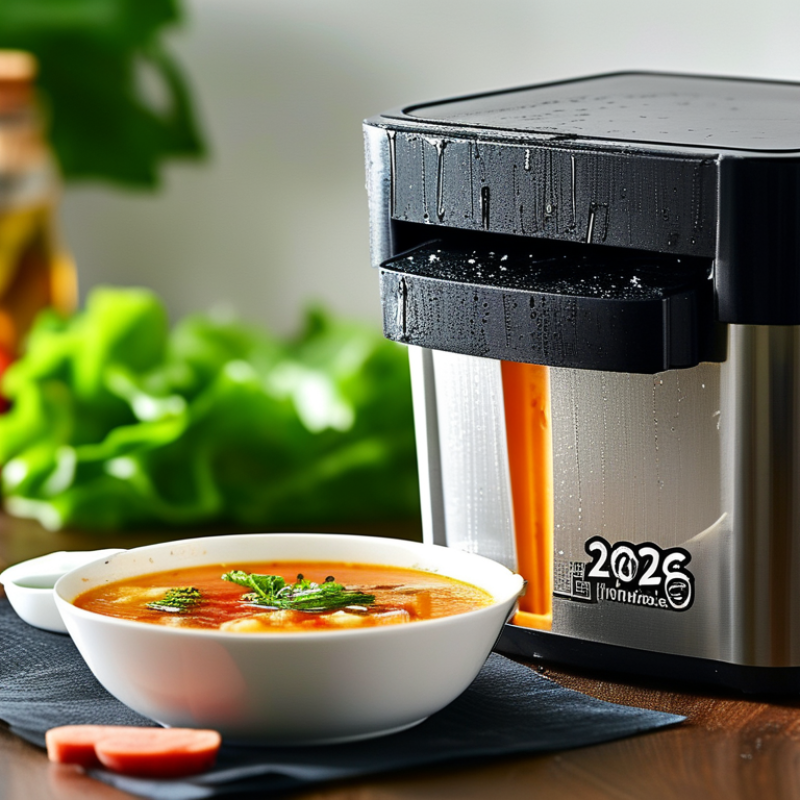
A food sealer removes air from a bag and closes it with heat. This simple process helps slow oxidation, moisture loss, and freezer burn. It can keep meat, vegetables, cheese, and dry foods fresher for longer. However, sealing does not kill bacteria or make unsafe food safe. Refrigeration and proper cooking still matter.
When choosing a sealer, examine its suction strength, seal width, and moisture settings. A strong vacuum is useful for firm foods, but delicate berries may need gentle control. For soup or marinated meat, a pulse function can reduce spills. Wet food may also need pre-freezing.
Check whether replacement bags are easy to find and whether the sealing area is simple to clean.
Small details matter. A narrow drip tray can become frustrating after one messy use.
I once assumed the strongest suction was always best. That was not entirely true.
Tips:
Test one portion before sealing a full batch. Leave enough space above the food for a secure seal. Press sharp bones away from the bag. Label each package with the food name and date. Inspect the seal before freezing. If air returns, reseal it with a fresh edge. Use bags designed for food contact, and follow the storage guidance for each food type.
Key Food Sealer Types and Their Main Differences
How to Choose the Best Food Sealer in 2026?
Food sealers differ mainly in sealing method, air removal, bag requirements, and moisture handling. Impulse heat sealers close ordinary plastic pouches with a heated strip. They are affordable and compact, but they do not remove air.
External suction sealers extract air through a textured bag, then heat-seal its opening. They suit dry foods, portioned meat, and freezer storage.
Chamber vacuum sealers remove air from the entire chamber before sealing. This reduces liquid movement and protects marinades, soups, and delicate foods. They usually need more space and cost more.
The choice is practical, not glamorous. A 2024 Fortune Business Insights report estimates the global vacuum packaging market at about USD 29.8 billion in 2023, showing strong demand for longer food protection. However, market forecasts vary by research method.
Bag compatibility matters more than many buyers expect. External suction models typically require special embossed bags, while chamber models often accept smooth pouches.
Check seal width, pump strength, cycle time, and replacement costs.
The U.S. Department of Agriculture recommends keeping perishable foods cold and using safe handling practices; vacuum sealing does not replace refrigeration.
My own mistake would be judging performance from suction power alone. Wet food, uneven bag placement, and weak seals can still cause failure. Some seals look perfect but open under pressure. Test a small batch first.
How to Match Sealing Features to Your Food Storage Needs
Choosing the best food sealer in 2026 starts with your storage routine, not the longest feature list. Match suction and sealing controls to the food you actually handle. For meat, fish, and cooked meals, strong vacuuming and a reliable double seal can reduce air exposure. Use adjustable suction for bread, berries, and pastries. A full-power cycle can crush them. That small control matters.
If you freeze several portions weekly, choose a wide sealing strip and heat-resistant bags. A clear lid helps you check liquid movement before sealing. Moist foods need a drip tray or pulse setting, because broth can enter the pump. I once sealed warm stew too quickly; the bag wrinkled, leaked, and wasted a dinner. Let food cool in the refrigerator first, then wipe the opening completely dry. This step feels slow.
For pantry items, simple heat sealing may be enough for cereal, coffee, and flour. Vacuum storage can protect texture, but it cannot replace refrigeration or safe cooking temperatures. Look for removable parts, clear cleaning instructions, and replaceable seals. Do not trust a perfect seal blindly; inspect the bag after freezing and mark the date. I still prefer smaller portions, although larger bags sometimes seem more economical. The best choice matches your habits, storage space, and tolerance for cleanup.
Which Performance Factors to Compare Before Buying
How to Choose the Best Food Sealer in 2026?
Performance matters more than appearance when comparing food sealers. Start with seal strength, vacuum consistency, and moisture control. A strong seal should remain flat and secure after freezing, thawing, or gentle handling. Wet foods are more demanding. Soup residue can weaken the sealing line.
Check the machine’s vacuum level, cycle time, and sealing width. A faster cycle is useful, but speed should not reduce air removal. The UNEP Food Waste Index Report 2024 estimated that 1.05 billion tonnes of food were wasted in 2022. Better storage may help, but only when the sealer creates a reliable barrier. USDA FSIS guidance still recommends using refrigerated leftovers within three to four days. Vacuum sealing does not replace safe chilling. I sometimes prefer a slower cycle. It gives me more control with moist foods.
Tips: Test the seal by gently pulling the package corners. Look for wrinkles, gaps, or trapped liquid. Choose adjustable settings if you seal meat, cheese, produce, and dry goods. Check bag availability and cleaning access before buying. A removable drip area can prevent small messes from becoming repeated hygiene problems. Noise also matters in a small kitchen. Manufacturers often highlight maximum suction, but real results depend on bag placement and food shape. That detail is easy to overlook.
How to Choose a Safe, Durable, and Cost-Effective Model
How to Choose the Best Food Sealer in 2026?
A safe food sealer should use certified food-contact materials and produce an even, reliable seal. Safety comes first. Check that the sealing wire stays enclosed and that the lid locks firmly during operation. A clear instruction panel helps prevent overheating or accidental burns. In daily use, I also look for adjustable vacuum strength. Delicate berries can crush under excessive pressure, while meat packages need stronger air removal. Vacuum sealing does not replace refrigeration or freezing. Perishable food still needs prompt, cold storage.
Durability depends on more than a heavy outer shell. Inspect the gasket, hinges, sealing strip, and drip area. These parts face repeated heat, moisture, and cleaning. A removable drip tray is useful after sealing marinated meat. Measure twice. The chamber or bag opening should fit your usual portions without awkward folding. I once preferred a cheaper model with attractive controls, but its gasket weakened quickly. I was wrong. Simple controls and replaceable wear parts often matter more than extra settings.
Cost effectiveness includes bags, electricity, maintenance, and wasted food. Choose a model that works with commonly available bags or rolls, rather than a restricted system. A strong seal can protect leftovers, bulk purchases, and prepared meals from freezer burn. Still, test the seal before storing food for weeks. Press the package gently and inspect for leaks. Small details matter. A slightly higher purchase price may be sensible if the machine seals consistently, cleans easily, and remains useful after frequent household use.
Related Posts
-
Top 10 Best Food Vacuum Sealers for Your Kitchen Needs?
-
Top 10 Benefits of Using a Vacuum Sealer for Food Preservation?
-
How to Choose the Best Vacmaster Vacuum Sealer for Your Needs?
-
How to Choose the Best Chamber Sealer for Your Needs?
-
How to Choose the Best Food Packaging Machine for Your Business?
-
Best Sealer Machine for Your Business Needs in 2026?