
Top Food Packaging Machine Manufacturers and Suppliers?

Choosing the right food packaging machine manufacturer can shape product safety, production speed, and long-term operating costs. A reliable supplier does more than sell stainless-steel equipment. It studies filling accuracy, sealing temperature, film behavior, cleaning routines, and the daily pressure faced by operators.

Walter Soroka, a respected packaging technology author, described packaging as “the science, art, and technology of enclosing and protecting products for distribution, storage, sale, and use.” That principle remains practical in modern food production. A machine must protect the product while fitting the factory floor, workforce, budget, and maintenance plan.

This guide examines leading food packaging machine manufacturers and suppliers through useful, verifiable criteria. These include engineering experience, machine performance, hygienic design, automation capability, documented certifications, spare-parts support, and after-sales service. Supplier transparency matters. So does evidence from real installations.

A polished brochure is not enough. Request test runs, inspect welded surfaces, and ask how quickly replacement parts arrive. Speak with current users when possible. Their experience may reveal problems that specifications hide.

No ranking is perfect. Regional service quality can change the result. A strong machine in one plant may perform poorly in another. This comparison therefore avoids treating brand reputation as the only answer. It considers applications such as pouch packing, tray sealing, vacuum packaging, filling, wrapping, and ready-meal production.

The goal is practical guidance. Readers should finish with clearer questions, stronger supplier checks, and fewer expensive surprises. Because the cheapest quotation may not be the lowest-cost decision.
Top Food Packaging Machine Manufacturers and Suppliers?

Types of Food Packaging Machines and Their Primary Applications

Top Food Packaging Machine Manufacturers and Suppliers?

Food packaging machines are selected by product texture, shelf-life needs, and production speed. Vertical form-fill-seal machines suit rice, snacks, and powders. They create bags from film, dose the product, and seal it in one cycle. Horizontal flow wrappers handle biscuits, bars, and bakery items. Their sealed film protects individual portions and supports fast retail packing.

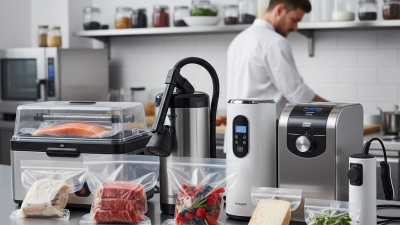
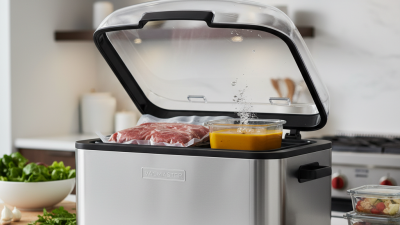
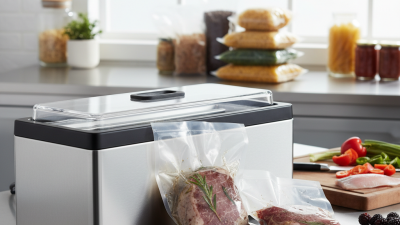
Liquid fillers serve sauces, dairy drinks, and edible oils. Piston systems manage thick products, while pump fillers suit lower-viscosity liquids. Vacuum packaging machines remove air before sealing meat, cheese, and prepared foods. This can reduce oxidation, but package performance still depends on temperature control and film quality. Multihead weighers improve accuracy for solid products. Checkweighers then reject packs outside the target weight.

Grand View Research valued the global food packaging equipment market at about USD 16.9 billion in 2023 and projected continued growth through 2030. The UNEP Food Waste Index Report 2024 estimated that over one billion tonnes of food were wasted in 2022. Better sealing may support longer shelf life, but it cannot repair poor storage or weak process control. In practice, choosing a machine only by hourly output is risky. Operators should test real products, including sticky fillings and irregular pieces. Small details matter. A supplier’s validation records, sanitation design, changeover time, and after-sales training often reveal more than a polished specification sheet.

Key Criteria for Evaluating Food Packaging Machine Manufacturers

Choosing a food packaging machine manufacturer requires more than comparing catalogue prices. In plant audits, I have learned that attractive demonstrations can hide difficult cleaning and slow changeovers. Ask for a factory acceptance test using your actual product, film, sealing temperature, and line speed. Measure waste, seal strength, output, and operator interventions.

PMMI’s 2024 State of the Industry report identifies labor shortages and automation as major packaging investment drivers. Therefore, evaluate recipe control, fault diagnosis, remote support, and operator training. Smithers’ “Future of Global Packaging to 2028” projects the global packaging market to exceed 1.1 trillion dollars by 2028, increasing pressure for reliable, flexible equipment. Downtime is expensive. Request documented OEE results from comparable food applications, not only laboratory figures.

Hygienic design deserves equal attention. Inspect frame joints, drainage, access panels, and tool-free disassembly. Confirm materials, washdown ratings, allergen-changeover procedures, and preventive-maintenance intervals. Review the supplier’s ISO 9001 system, electrical documentation, spare-parts availability, and service response times. Cybersecurity matters when machines connect to factory networks. Ask how accounts, updates, and backups are controlled. My own review mistake was trusting a short delivery promise without checking commissioning capacity. That decision created weeks of avoidable delay. A useful evaluation should include lifecycle cost, validation evidence, references, and clear responsibility for performance after installation.

Leading Global Manufacturers and Suppliers by Packaging Technology

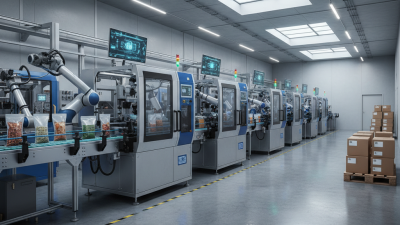
Global packaging machinery suppliers now compete through technology, not only production speed. MarketsandMarkets estimates the packaging machinery market will grow from about USD 52.8 billion in 2023 to USD 67.9 billion by 2028. Vertical form-fill-seal systems suit snacks, powders, and granular products. Thermoformers support lightweight trays with consistent dimensions. Cartoners and case packers improve secondary packaging efficiency. Aseptic equipment serves products requiring extended shelf life and strict hygiene controls.

Technology choice should follow the product, not the catalog. PMMI’s 2024 State of the Industry report identifies automation, labor shortages, and flexible production as major investment drivers. A fast machine may still waste materials when sealing temperatures drift. Changeover time also matters. A line producing 120 packs per minute can underperform if format changes take two hours. Supplier evaluation should include factory acceptance testing, spare-parts access, software support, and documented cleaning procedures. Local service coverage deserves equal attention. It is often overlooked.

Tips: Request performance data using your actual film, product, and container sizes. Compare total cost of ownership, not the purchase price. Ask for references from similar factories. Check energy use, reject rates, and operator training hours. Do not trust one demonstration. Independent validation is safer. No ranking fits every plant, and even reliable forecasts cannot predict every packaging change. Flexible equipment may cost more today, but rigid capacity can become an expensive mistake.

Top Food Packaging Machine Manufacturers and Suppliers? - Leading Global Manufacturers and Suppliers by Packaging Technology
Packaging Technology Primary Machine Types Typical Food Applications Common Package Formats Compatible Materials Typical Throughput Range Key Technical Characteristics Important Selection Criteria
Vertical Form-Fill-Seal (VFFS) Vertical baggers, multihead-weigher lines, auger-filler lines, volumetric-filler lines Snacks, coffee, rice, grains, sugar, flour, frozen vegetables, confectionery Pillow bags, gusseted bags, block-bottom bags, stick packs, sachets Heat-sealable laminates, polyethylene films, polypropylene films, paper-based laminates Approximately 20–180 bags per minute, depending on product, bag size, and machine configuration Forms the package from a roll of film and integrates filling and sealing in a continuous process Product flowability, target weight, film structure, seal integrity, dust control, cleaning access
Horizontal Form-Fill-Seal (HFFS) Flow wrappers, horizontal pouch machines, sachet machines Bakery products, snack bars, biscuits, fresh produce, ready-to-eat foods, frozen products Three-side-seal pouches, four-side-seal pouches, fin-seal wraps, pillow packs Polypropylene films, polyethylene films, laminated barrier films, recyclable mono-material films Approximately 30–300 packs per minute, depending on product dimensions and sealing layout Feeds products horizontally and seals film around individual or grouped items Product shape, spacing accuracy, film barrier requirements, modified-atmosphere capability, cutting precision
Premade Pouch Packaging Premade pouch fillers and sealers, rotary pouch machines, inline pouch systems Pet food, sauces, spices, coffee, dried foods, retort meals, stand-up snack products Stand-up pouches, flat pouches, zipper pouches, spouted pouches, retort pouches Laminated plastic films, foil laminates, high-barrier structures, recyclable flexible films Approximately 20–120 pouches per minute, depending on pouch size and filling process Uses pre-manufactured pouches and performs pouch opening, filling, sealing, and optional coding Pouch stiffness, zipper or spout design, seal contamination risk, filling accuracy, oxygen and moisture barrier
Thermoform-Fill-Seal Thermoforming packaging lines, vacuum-pack machines, MAP thermoformers Fresh meat, poultry, seafood, cheese, prepared meals, sliced foods Vacuum trays, modified-atmosphere packs, skin packs, sealed trays Thermoformable PET, polypropylene, polyethylene, multilayer barrier webs, lidding films Approximately 5–20 cycles per minute; output depends on cavities per cycle and package size Heats a bottom web, forms cavities, fills products, applies a top web, and seals the package Forming depth, product height, vacuum level, gas-flush performance, tray rigidity, seal quality
Tray Sealing and Modified Atmosphere Packaging Automatic tray sealers, MAP tray sealers, vacuum-gas tray sealers Fresh meat, prepared meals, produce, bakery items, seafood, dairy products Rigid trays with lidding film, vacuum skin packs, gas-flushed trays Plastic trays, paperboard-based trays with barrier coatings, aluminum trays, PET or PP lidding films Approximately 10–150 trays per minute, depending on machine size and number of lanes Seals a lidding film to a preformed tray; vacuum and gas flushing can extend product shelf life Gas mixture, residual oxygen target, tray material, sealing temperature, leak detection, hygiene design
Can Filling and Seaming Can fillers, vacuum can fillers, rotary seamers, integrated filling and seaming lines Vegetables, fruits, soups, sauces, fish, meat products, pet food Two-piece cans, three-piece cans, metal containers with easy-open ends Tinplate steel, aluminum, coated metal cans Approximately 30–1,500 cans per minute, depending on can diameter and line configuration Dispenses product into cans and creates a hermetic double seam between the can body and end Fill weight, product temperature, seam dimensions, vacuum level, corrosion resistance, retort compatibility
Bottle and Jar Filling Volumetric fillers, piston fillers, flowmeters, gravity fillers, vacuum fillers Beverages, sauces, dressings, oils, dairy products, jams, liquid condiments Glass jars, PET bottles, HDPE bottles, squeeze bottles, wide-mouth containers Glass, PET, HDPE, PP, multilayer plastic containers Approximately 20–1,200 containers per minute, depending on liquid properties and filler type Fills liquids by volume, mass, flow measurement, gravity, pressure, or piston displacement Viscosity, particulates, foaming tendency, fill accuracy, container neck design, CIP requirements
Capping, Closing, and Lidding Screw cappers, snap cappers, press-on lidders, induction sealers, corking systems Beverages, sauces, dairy products, nutritional foods, condiments, dry ingredients Screw-cap bottles, snap-fit containers, induction-sealed jars, foil-lidded cups Plastic closures, aluminum foil liners, laminated lidding materials, elastomer seals Approximately 30–1,000 containers per minute, depending on closure type and container format Applies and secures a closure while controlling torque, pressure, alignment, or induction-seal energy Closure torque, tamper evidence, seal integrity, cap orientation, container stability, product compatibility
Cartoning and Case Packing Horizontal cartoners, vertical cartoners, wraparound case packers, robotic case packers Cereal, frozen foods, confectionery, bakery products, canned foods, multipacks Folding cartons, wraparound cases, American-style corrugated cases, shelf-ready packs Paperboard cartons, corrugated board, coated paperboard, recycled fiber-based materials Approximately 20–500 cartons or cases per minute, depending on pack pattern and automation level Groups primary packages and places them into cartons or shipping cases for distribution Carton dimensions, product orientation, board stiffness, glue or tuck closure, changeover time, robotic flexibility
Palletizing and End-of-Line Automation Robotic palletizers, conventional palletizers, stretch wrappers, conveyorized case-packing systems Packaged foods, beverage cases, bulk ingredients, frozen and ambient products Corrugated cases, shrink bundles, bags, trays, drums, pallet loads Corrugated board, stretch film, shrink film, strapping materials, reusable pallets Approximately 10–180 cases per minute, depending on robot payload, pallet pattern, and conveyor layout Automates case accumulation, layer formation, pallet loading, stabilization, and load wrapping Payload, pallet dimensions, case variability, floor space, warehouse integration, safety guarding, traceability
Inspection, Weighing, and Coding Checkweighers, metal detectors, X-ray inspection systems, vision systems, inkjet and laser coders All packaged food categories requiring quality control and product identification Flexible bags, cartons, trays, bottles, cans, jars, cases Compatible with plastic, glass, metal, paperboard, foil, and composite packaging Often approximately 30–600 packages per minute, depending on inspection technology and product spacing Verifies weight, detects contaminants or defects, and applies batch, date, barcode, or traceability information Detection sensitivity, product effect, line speed, reject verification, code readability, data integration

Quality Standards, Certifications, and Compliance Requirements

Choosing food packaging machine manufacturers and suppliers requires more than comparing speed, price, or stainless-steel finishes. Quality begins with documented controls. The ISO Survey 2023 recorded 1,265,216 ISO 9001 certificates worldwide, showing how widely quality management systems are adopted. Certification helps, but it does not guarantee hygienic machine design or reliable production.

Ask suppliers for current ISO 9001 certification, food safety procedures, material traceability, and supplier-audit records. ISO 22000 certification is also relevant when equipment supports food safety management. Request food-contact declarations for belts, seals, lubricants, and product-contact surfaces. Check whether welds are smooth, inspection points are accessible, and cleaning procedures are validated. Small details matter.

Compliance depends on the destination market. A supplier should provide risk assessments, electrical test records, technical files, and applicable conformity documentation. For European installations, machinery safety requirements and food-contact rules must be reviewed together. For other markets, local electrical, sanitation, and labeling requirements may differ. FAT and SAT testing should measure sealing strength, fill accuracy, changeover time, and reject rates using realistic products. Paperwork is not proof. A factory trial is stronger evidence. Still, even a successful trial can miss long-term wear, operator mistakes, or difficult cleaning areas. That weakness deserves honest discussion before purchase.

How to Select the Right Food Packaging Equipment Supplier

Choosing the right food packaging equipment supplier requires more than comparing machine prices. Start by examining their experience with your product, packaging material, and production speed. A supplier familiar with powders may not understand sticky sauces or fragile bakery items. Ask for a live test using your actual product and film. Watch sealing quality, filling accuracy, changeover time, and cleaning access.

Reliable suppliers provide clear technical drawings, operating manuals, maintenance schedules, and documented quality checks. Request references from facilities with similar output levels. Speak with their operators, not only sales staff. Ask how quickly they provide spare parts and remote support. A low purchase price can become expensive when a simple sensor causes two days of downtime. Total ownership costs matter.

Tips: Prepare a short equipment checklist before contacting suppliers. Include target speed, package size, product temperature, available floor space, and cleaning requirements. Check whether operators can reach controls safely. Confirm electrical standards and installation responsibilities in writing. Inspect sample packages after repeated runs. Small wrinkles may reveal larger sealing problems. No test is perfect. Leave room for improvement, and question promises that lack measurable evidence. A thoughtful supplier will discuss limitations instead of hiding them.