Why You Should Invest in an Industrial Vacuum Sealer for Your Business?
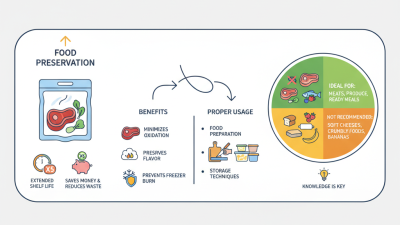
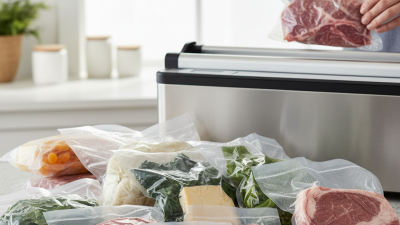
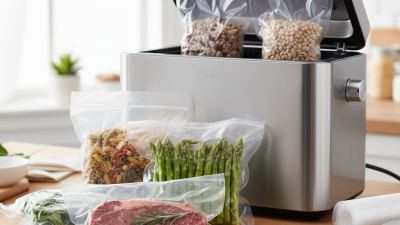
Investing in an industrial vacuum sealer can significantly benefit your business. These machines provide reliable sealing solutions for various industries. Whether you’re in food packaging or electronics, an industrial vacuum sealer keeps products safe and fresh.
Consider the efficiency it brings. You can drastically reduce spoilage and extend shelf life. Products sealed in vacuum packages resist moisture and air exposure. This means less waste and higher profits. However, not all sealers are created equal. Choosing the right one can be overwhelming.
Reflect on your specific needs. Will you use it for high-volume production? Or are smaller batches more suitable for you? The upfront costs might seem daunting, but think long-term. Quality sealers can pay for themselves quickly through savings in food costs and improved product quality. Investing in an industrial vacuum sealer is a step towards greater efficiency and excellence in your operations.
Benefits of Using Industrial Vacuum Sealers for Businesses
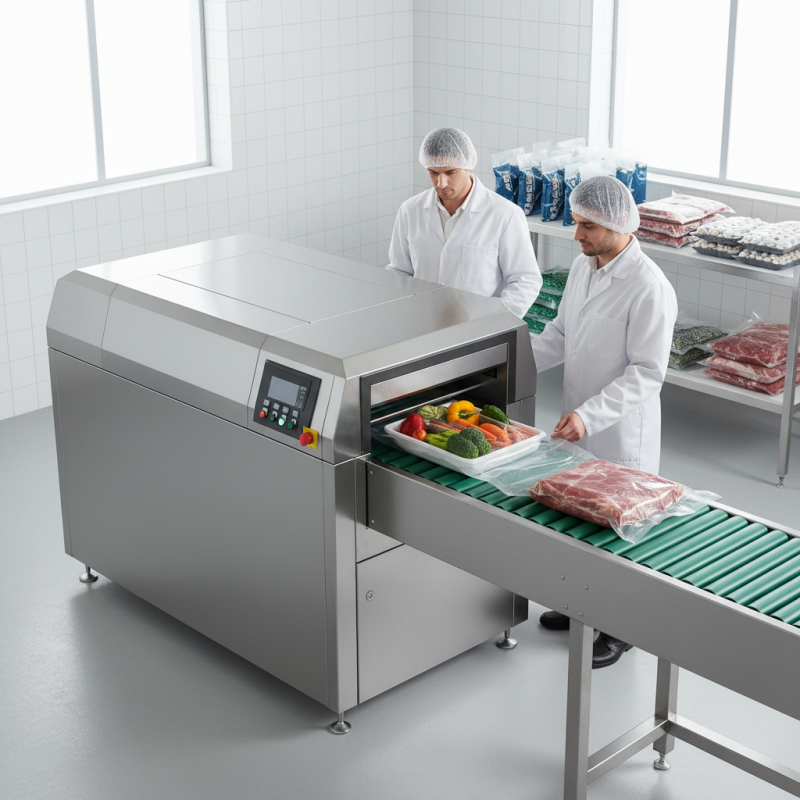
Investing in an industrial vacuum sealer can transform your business practices. These machines help extend the life of products. By removing air from packaging, they prevent spoilage and maintain freshness. This is especially crucial for businesses dealing with food items.
The benefits of using an industrial vacuum sealer extend beyond just food. It enhances product presentation. A properly sealed product looks more appealing to consumers. Customers are often willing to pay more for well-packaged goods. This can improve profit margins significantly. Additionally, vacuum sealing saves space. It allows for efficient storage and shipping. However, the initial cost of these machines can be daunting. It's important to weigh the long-term savings against the upfront investment.
Some users may struggle with the learning curve. Those new to vacuum sealing might find it tricky at first. Understanding how to set the machine correctly is vital. Experimentation may lead to waste at the beginning. It requires time to master the process for optimal results. In the end, investing in an industrial vacuum sealer could play a key role in business growth.
Comparison of Traditional Packaging Methods and Vacuum Sealing
Traditional packaging methods often fall short in providing optimal protection and extended shelf life for products. According to a report by the Food and Agriculture Organization, nearly one-third of food produced globally is wasted. This waste can often be attributed to ineffective packaging that fails to keep products fresh. For instance, plastic wraps and containers may let air in, leading to spoilage. Vacuum sealing addresses this issue by removing air and sealing products tightly, which can reduce spoilage rates significantly.
While traditional methods rely on basic barriers, vacuum sealing creates a tight environment. This method can prolong shelf life by 3 to 5 times, depending on the product. In a study conducted by the Packaging Association, vacuum-sealed products displayed a 50% reduction in spoilage compared to those packaged using standard methods. Furthermore, vacuum sealing also minimizes freezer burn in frozen goods, making it ideal for long-term storage.
However, vacuum sealing is not flawless. Setting it up requires some investment, which may be daunting for small businesses. Additionally, the process can be slower than simply placing items in standard packaging. It demands attention to detail during sealing to ensure an airtight closure. Yet, the benefits often outweigh these challenges, particularly for those looking to enhance product quality and minimize waste.
Why You Should Invest in an Industrial Vacuum Sealer for Your Business? - Comparison of Traditional Packaging Methods and Vacuum Sealing
| Packaging Method |
Longevity of Food Products |
Cost Efficiency |
Time Efficiency |
Product Protection |
Ease of Use |
| Traditional Packaging |
3-6 months |
Higher long-term costs |
Longer packing time |
Moderate protection |
Requires more manpower |
| Vacuum Sealing |
1-3 years |
Lower long-term costs |
Faster packing time |
High protection against spoilage |
User-friendly |
Key Features to Look for in an Industrial Vacuum Sealer
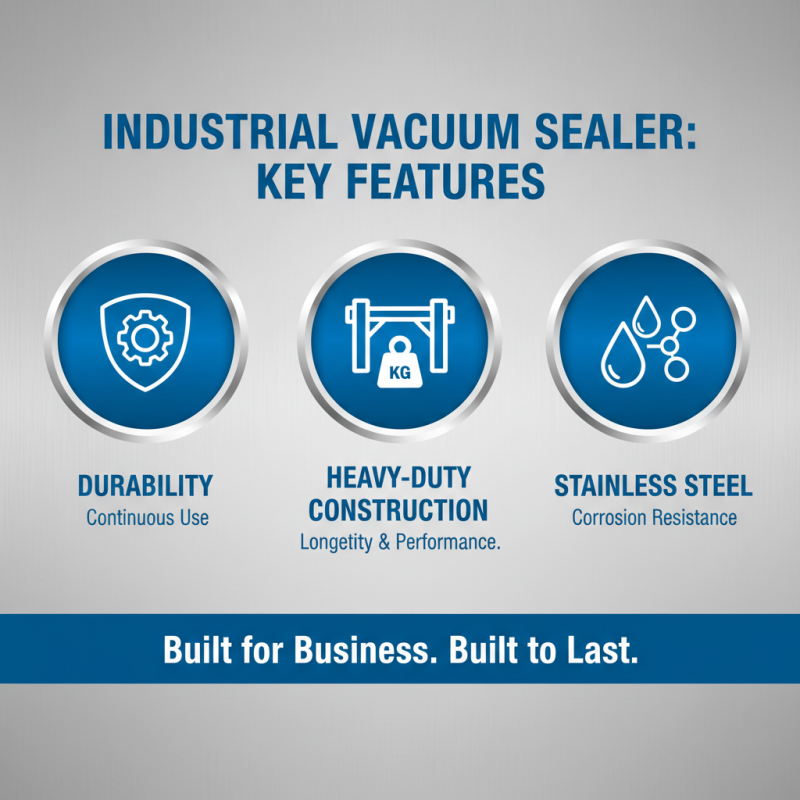
When considering an industrial vacuum sealer for your business, certain features are paramount. Durability is key, as industrial models must withstand continuous use. A heavy-duty construction ensures longevity and performance under pressure. Look for stainless steel options that resist corrosion and damage over time.
Another critical feature is sealing speed. Fast operation can significantly enhance productivity. Some models can seal bags in as little as 10 seconds. According to a report by the Food Packaging Association, faster sealing directly correlates with reduced downtime in packaging operations. Efficiency boosts can lead to higher overall profits.
**Tip:** Select a vacuum sealer with adjustable settings. Flexibility allows for different types of products, ensuring optimal sealing without damaging items.
Consider the vacuum strength as well. Models with adjustable vacuum pressure can cater to various food types, maintaining freshness effectively. A recent industry study showed that proper sealing can extend shelf life by up to 50%. Inconsistent sealing can lead to spoilage, posing a risk to your business's reputation.
**Tip:** Always read user reviews to determine real-world performance. Feedback on the seal's strength and durability provides valuable insights.
Cost Savings Through Efficient Packaging and Reduced Waste
Investing in an industrial vacuum sealer can lead to significant cost savings. Businesses frequently deal with packaging and storage challenges. Efficient packaging reduces the size of products, leading to lower shipping costs. Vacuum sealing also extends shelf life. When food products stay fresh longer, waste diminishes. This dual benefit is crucial for many industries, particularly in food and manufacturing.
Consider the implications of leftover stock. Businesses may throw away spoiled goods. This is money lost. By implementing vacuum sealing, products can be preserved more effectively. Imagine sealing meat or produce. The difference in waste reduction is remarkable. Yet, some businesses still hesitate. They wonder if the initial investment is worth it. Perhaps they need to reassess their long-term goals.
Waste reduction isn’t solely about saving money. It aligns with sustainable practices. Reducing waste contributes to a healthier environment. Companies can emphasize their commitment to sustainability. This might attract environmentally-conscious consumers. However, it's important to ensure proper sealing techniques. Rushing may lead to mistakes. Each step requires careful consideration. Businesses should reflect on their packaging methods and consider vacuum sealing as a viable option.
Cost Savings Through Efficient Packaging and Reduced Waste
Applications of Industrial Vacuum Sealers Across Different Industries
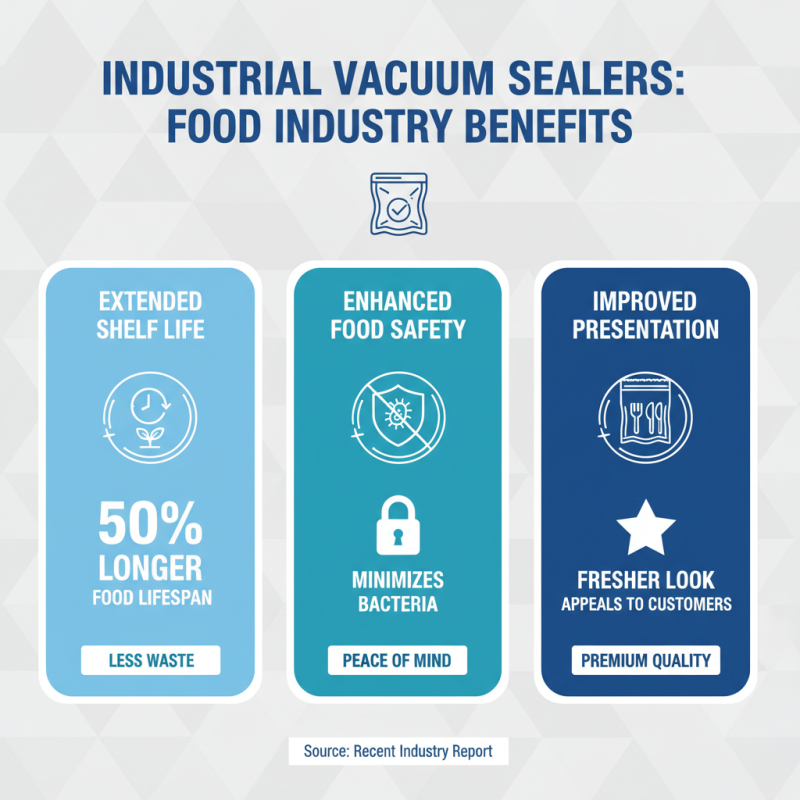
Industrial vacuum sealers offer significant advantages across various sectors. In the food industry, they extend shelf life by removing air from packaging. According to a recent industry report, vacuum-sealed products have a 50% longer lifespan compared to traditional methods. This context is vital for restaurants and food manufacturers aiming to reduce waste. Using vacuum sealing can enhance food safety by minimizing bacterial growth. It is not just about longevity; presentation matters too.
In the medical sector, vacuum sealers protect critical supplies. They ensure sterile environments by tightly sealing instruments and materials. A recent study showed that proper sealing can decrease contamination risk by up to 80%. This is crucial in maintaining high standards of hygiene. Yet, not all businesses utilize these technologies effectively. Many overlook regular maintenance or proper training. Understanding the equipment is essential to maximize its benefits.
The packaging industry also benefits from vacuum sealing. It streamlines production processes and reduces material costs. Reports indicate that companies adopting vacuum technology see efficiency improvements of around 30%. However, initial investments can be daunting. Some small businesses struggle to justify the costs without thorough analysis. Addressing these challenges is necessary for effective implementation.