2026 How to Choose the Best Vacuum Sealer for Your Needs?
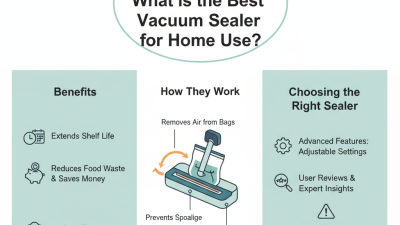
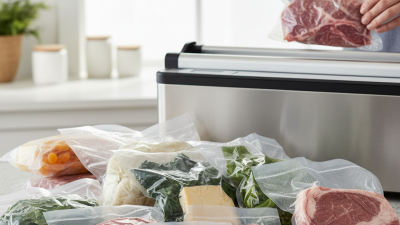
Choosing the best vacuum sealer is crucial for food preservation. According to a report from the FoodSaver Institute, vacuum sealing can extend food shelf life by up to five times. This means less food waste and more savings for families.
When assessing vacuum sealers, consider your specific needs. A lightweight model suits occasional users, while heavy-duty options benefit frequent cooks. Research shows that users often overlook features like sealing speed and ease of use. Ignoring these can lead to frustration.
Don't forget about maintenance. Many find it challenging to clean and maintain their vacuum sealers properly. This oversight often decreases the device’s efficiency and lifespan. Evaluating these factors carefully can help you select the best vacuum sealer to meet your demands.
Understanding Vacuum Sealers: Types and Features Explained
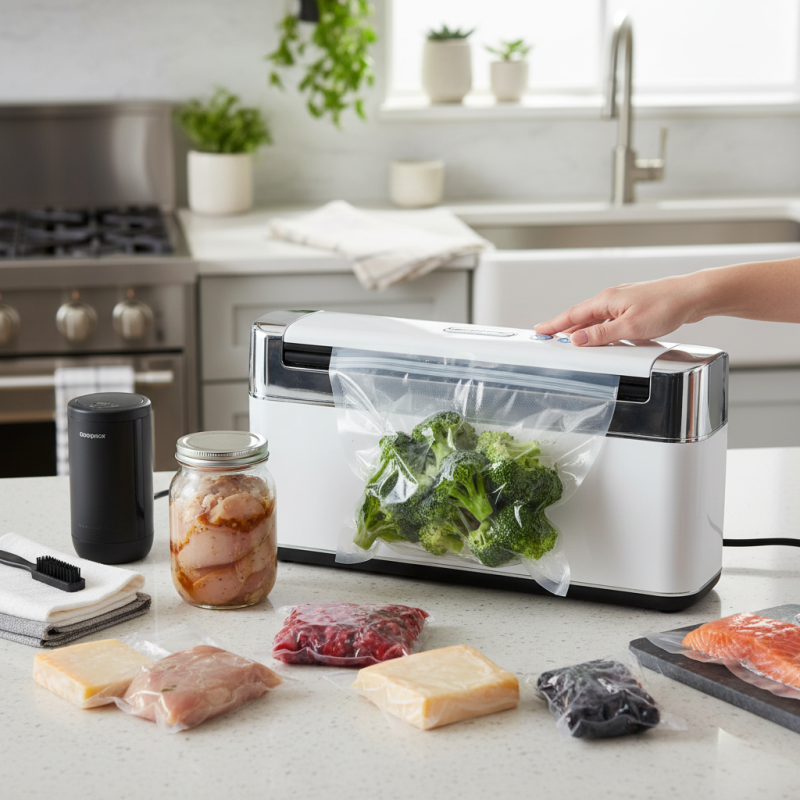
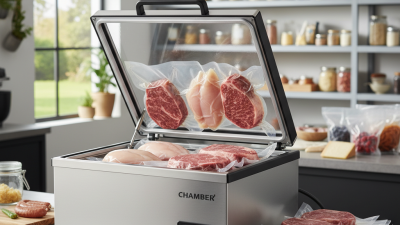
When choosing a vacuum sealer, understanding the types and features is crucial. There are both external and chamber vacuum sealers. External sealers are more common for home use. They work by removing air from bags. Chamber sealers, however, are more powerful. They can seal liquid-rich foods without creating a mess.
Consider what you often store. If you frequently deal with liquids or bulky items, a chamber sealer might be ideal. For everyday use, an external model may suffice. Always check the sealing speed and ease of use. A complicated machine can be frustrating, especially if you're short on time.
Tips: Ensure the vacuum sealer has adjustable settings. This can help you manage delicate items. Remember, not all vacuum bags are compatible with every machine. Double-check compatibility before purchase. Many users recall having difficulties with bag sizes and sealing efficiency. Learning from these experiences can guide your choice. Select what truly fits your needs, not just the first option you see.
Assessing Your Needs: Home Use vs. Professional Use of Sealers
Choosing the right vacuum sealer relies heavily on your intended use. Are you sealing food for everyday meals, or do you need it for a business? Understanding your needs is critical. For home use, a compact and easy-to-use model is ideal. You might want one with basic settings. This will save time and space in your kitchen.
Tips: Look for sealers that operate quietly and take up little counter space. Consider if you need a retractable cord for easy storage.
Professional users often require more durable machines. These machines should handle high volumes. They often come with added features like marinating options. Take time to evaluate what tasks you plan to do. This reflection helps find the right balance between price and functionality.
Tips: Assess how often you will use the sealer. Regular use might mean needing a higher-end model. Read reviews to see how others rate durability.
| Feature |
Home Use Sealers |
Professional Use Sealers |
| Power |
100-120 Watts |
200-300 Watts |
| Seal Type |
Impulse Sealing |
Continuous Sealing |
| Size |
Compact |
Large, Heavy-Duty |
| Vacuum Strength |
Moderate |
High |
| Bag Compatibility |
Standard Bags |
Custom/Food-Safe Bags |
| Price Range |
$50 - $150 |
$200 - $600+ |
| Additional Features |
Basic controls, easy to store |
Advanced settings, built-in cutter, marinate function |
Analyzing Costs: Budget-Friendly vs. High-End Vacuum Sealers
When choosing a vacuum sealer, cost is a primary consideration. Budget-friendly models often lack advanced features. They may not seal as tightly or last as long. However, they can still get the job done for occasional use. If you only seal items once in a while, a simpler device may suffice. Look for those that are easy to operate and store. These simpler machines are typically compact and lightweight.
On the other hand, high-end vacuum sealers come with many features. These machines can handle large quantities of food and various types of packaging. They often include settings for marinating or even vacuum sealing liquids. Investing in one can greatly enhance meal prep efficiency. Yet, the cost can be quite significant. Often, users may find themselves questioning if the investment pays off in the long run. Balancing initial costs with long-term savings is essential.
Some users regret choosing a cheaper model later on. They might find the lack of performance frustrating. Others realize an expensive machine can be impractical in small kitchens. Assessing your specific needs is crucial. Consider how often you will use it and for what purposes. Ultimately, finding the right vacuum sealer means evaluating personal habits and expectations.
Vacuum Sealers Price Comparison
Maintenance and Durability: How to Ensure Longevity of Your Sealer
Maintaining your vacuum sealer is essential for ensuring its longevity. Regular cleaning is a must. After use, wipe down the exterior and clear any food particles from the sealing area. This helps prevent contamination and dysfunction. Neglecting this simple task can lead to build-up, affecting performance.
Another important aspect is proper storage. When not in use, store the sealer in a dry, cool place. Avoid areas with high humidity, as moisture can damage the internal components. Take care to handle cords carefully, as fraying can occur with misuse. Small mistakes like these can lead to big problems later on.
Lastly, always check the manual for specific maintenance guidelines. Different models may have unique requirements. Some components might need replacement periodically, such as seals or gaskets. Ignoring these details can lead to inefficiency or even malfunction. A little attention today can save you from costly repairs tomorrow.