What Are the Best Tips for Using a Vacuum Packer?
Using a vacuum packer can transform how we store food. Renowned food preservation expert, Dr. Emily Carson, emphasizes, “Vacuum sealing is a game changer for freshness.” With the ability to remove air, a vacuum packer extends shelf life and reduces waste.
Many users overlook the value of proper sealing techniques. It's crucial to ensure no moisture interferes with the seal. Each bag requires careful handling to maintain its effectiveness. Remember, an imperfect seal can lead to spoilage.
This process can be daunting for beginners. The settings may vary based on the type of food. It's important to experiment and learn from mistakes. Not every package will turn out perfect, but patience is key. After all, mastering the vacuum packer can ultimately elevate your food storage game.
Understanding Vacuum Packers: Key Features and Benefits
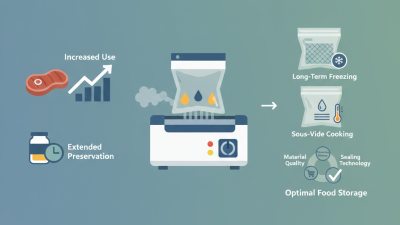
Vacuum packers are versatile tools, perfect for preserving food. They work by removing air from bags before sealing them tight. This process helps in extending the shelf life of perishable items like meats and vegetables. But vacuum packing is not only about longevity; it also enhances flavors. The airtight environment allows spices and marinades to penetrate deeper into the food, intensifying taste.
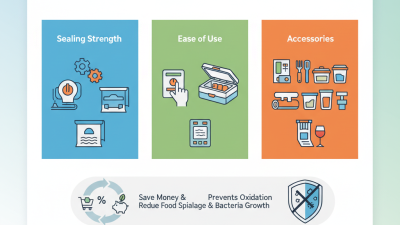
When choosing a vacuum packer, look for key features like adjustable sealing options and container compatibility. Some models include built-in cutters for custom bag sizes. However, beginners may struggle to find the right settings. Reading the manual and practicing with different foods can help. Over time, users may notice certain foods do not seal well. For instance, moist items may require a different approach.
Cleaning is another consideration. It’s necessary to maintain your vacuum packer to ensure longevity. Some parts may require hand washing, which can be time-consuming. Yet, a clean machine delivers better results. Having a vacuum packer opens a new world of food storage, but it does require careful attention to detail.
What Are the Best Tips for Using a Vacuum Packer?
| Tip |
Description |
Benefits |
| Choose the Right Bags |
Use bags designed specifically for vacuum sealing to ensure an airtight seal. |
Prevents punctures and maintains freshness. |
| Do Not Overfill |
Leave enough space at the top of the bag for the seal to form properly. |
Ensures a secure seal and prevents vacuum failure. |
| Use High Pressure |
For liquids or wet foods, use settings that vacuum at higher pressure. |
Prevents leaks and maintains food integrity during storage. |
| Store at Room Temperature |
Vacuum-sealed items should be stored in a cool, dry place. |
Extends shelf life and preserves taste. |
| Label and Date Bags |
Write labels for easy identification and recording of storage time. |
Helps track freshness and reduces food waste. |
Best Practices for Proper Vacuum Packing Techniques
Vacuum packing can significantly extend the shelf life of food. To start, you need to prepare your food properly. Ensure everything is clean and dry. Excess moisture can lead to spoilage. Cutting food into smaller pieces allows for better packing. This method uses less space and creates a tighter seal.
When sealing, avoid overfilling the bags. Leave enough space at the top to ensure a good seal. It’s essential to check for air pockets. If you spot any, the seal could fail later. Remember, not all foods vacuum pack the same. Foods with sharp edges can puncture bags. Using padding or soft materials can help protect the vacuum bag.
Lastly, labeling is key. Write the date and contents on each pack. This practice simplifies organization and prevents confusion. Periodically check your packed items. If you notice any signs of air or spoilage, it's best to reassess your technique. Vacuum packing is a learning process, and small adjustments can lead to better results.
Best Practices for Proper Vacuum Packing Techniques
Essential Tips for Choosing the Right Vacuum Bags
Choosing the right vacuum bags is crucial for effective food preservation. Not all vacuum bags are created equal. According to a study by the FoodSaver Institute, the type of bag can impact the shelf life of food by over 50%. For instance, multi-layer bags can provide better barrier properties than single-layer options. This means food retains its freshness longer and stays safe from freezer burn.
When selecting vacuum bags, consider the materials. BPA-free plastics are recommended for health purposes. Some bags even boast a heavy-duty design that withstands extreme temperatures. These can be essential when sous-vide cooking. However, it’s easy to overlook the sealing method. Poor seals can lead to failures. Research shows that improper sealing accounts for nearly 30% of food spoilage in vacuum-packed items.
It is also wise to pay attention to bag size. Many people use bags that are too large, wasting material and space. Smaller bags can be more efficient for smaller portions. But, finding the right balance is a challenge. Additionally, not all bags are suitable for all foods. Some contain moisture, which can lead to spoilage. Testing different options is key to finding the best fit. It's a process of trial and error that requires careful observation.
Common Mistakes to Avoid When Using a Vacuum Packer
When using a vacuum packer, avoiding common mistakes can enhance your experience. One major pitfall is overfilling the bags. Stuffing too much food can prevent proper sealing. Always leave enough space at the top. This simple step can save frustration when you dive into your food storage tasks.
Another mistake is neglecting to check the condition of your bags. Using worn or damaged bags can lead to leaks. Inspect bags for any holes or tears before vacuum sealing. Fresh, intact bags create a reliable barrier against spoilage, allowing food to last longer.
Cleaning your vacuum packer is crucial. Many overlook this important aspect. After each use, wipe the machine to remove food residue. Neglecting this can affect performance over time. Ensure that your gasket and sealing area are free from debris for optimal results.
Tips for success include experimenting with different sealing times. Some foods seal better with longer settings, while others need less time. Learning how your vacuum packer works can make a big difference. Adjusting to the specific needs of your food will yield better outcomes.
Maintaining Your Vacuum Packer for Longevity and Efficiency
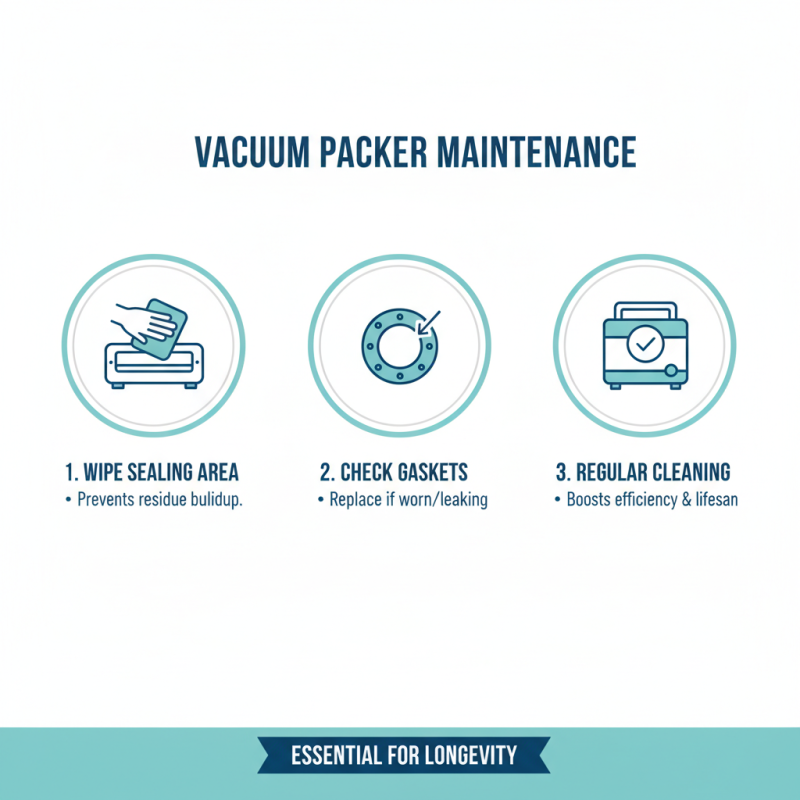
To maintain your vacuum packer’s longevity and efficiency, regular cleaning is essential. After each use, be sure to wipe down the sealing area. Food residue can build up and hinder performance. Pay attention to the gaskets too. They may wear out, resulting in air leaks during sealing. Check them often and replace if needed.
Storage is also crucial. Keep your vacuum packer in a dry place, away from humidity. High moisture levels can damage the appliance. When not in use, avoid stacking heavy items on top of it. This can cause misalignment in the sealing mechanism. Make space for it and treat it with care.
Refer to the user manual for specific maintenance tips. Sometimes we overlook the little details that affect performance. Not reading instructions might lead to poor usage. Regularly check for updates or common issues online. Sharing experiences can be beneficial. Remember, taking these steps can greatly extend the life of your vacuum packer.