10 Best Chamber Vacuum Sealer Tips for Maximum Freshness and Flavor?
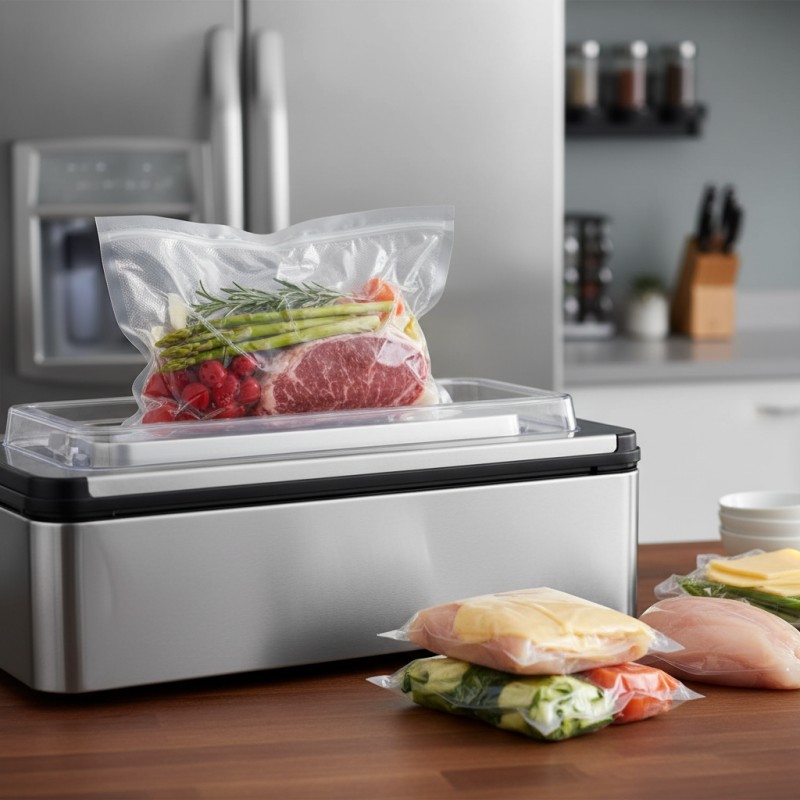
When it comes to preserving food, using the best chamber vacuum sealer can make a significant difference. These devices create a tight seal, locking in flavors and freshness. Many home cooks and professionals alike rely on chamber vacuum sealers for their efficiency.
However, not all vacuum sealing methods are created equal. Improper usage can lead to unsatisfactory results. Sometimes, you may find that food does not stay fresh as long as expected. This gap often reflects a lack of proper techniques or understanding of the best practices.
In this guide, we explore essential tips that can enhance your vacuum sealing experience. You’ll discover ways to maximize freshness and flavor. With insights on using the best chamber vacuum sealer, your food preservation will be more effective. Get ready to elevate your cooking and storage methods.
Understanding Chamber Vacuum Sealers: Basics and Benefits
Chamber vacuum sealers are designed to preserve food by removing air from a sealed bag. This process extends freshness and flavor, making it a popular choice among culinary enthusiasts. According to industry reports, using a chamber vacuum sealer can increase food shelf life by up to five times compared to traditional storage methods. The benefits are clear: less spoilage, enhanced flavor, and better quality.
When using a chamber vacuum sealer, understanding the right techniques is vital. One tip is to pre-freeze liquids before sealing to prevent spilling during the process. Another important aspect is maintaining the machine. Regular cleaning and checking seals can prolong the device’s life. Yet, many users overlook these basic maintenance steps. It’s easy to forget, but neglect can lead to poor performance.
Additionally, vacuum sealing meats, marinated dishes, and dry goods can significantly enhance flavor retention. A study revealed that vacuum-sealed food retains up to 95% of its original flavors. However, improper sealing can lead to moisture build-up and spoilage. Awareness of these issues is crucial for the best results.
10 Best Chamber Vacuum Sealer Tips for Maximum Freshness and Flavor
Choosing the Right Vacuum Bags for Optimal Results
Choosing the right vacuum bags is crucial for sustaining freshness and flavor. Different foods require specific types of bags. For instance, thicker bags work well for meats, while thinner ones are better for dry foods. The material matters too. Some bags are made from polyethylene, which is ideal for freezing. Others come from nylon, providing more durability.
It’s essential to ensure proper sealing, as even a tiny gap can lead to spoilage. Take a look at your bags regularly for any signs of wear. Small holes can be hard to notice, yet they can ruin your food preservation efforts. Another consideration is the size. Using bags that are too big wastes space. On the other hand, too small can lead to problems when sealing bulky items.
Experimenting with different brands is key, as not all bags perform the same. You might find that some bags lose air faster than others. Pay attention to how each bag handles various items. Reflections on your choices can lead to better practices. Trust your judgment, but learn from each vacuum sealing experience.
Correct Techniques for Packing Food for Vacuum Sealing
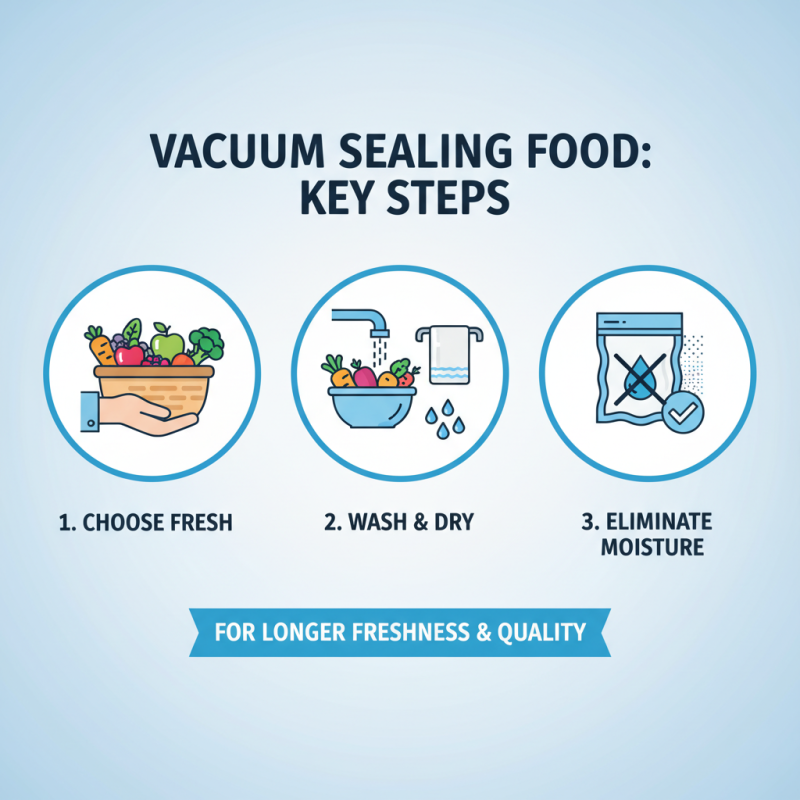
Packing food for vacuum sealing requires careful attention. Begin by selecting fresh ingredients. Wash and dry fruits and vegetables. This step helps eliminate moisture, which can compromise sealing.
Cut food into uniform sizes. This practice ensures even sealing and prevents air pockets. Avoid overstuffing bags. Leaving space for the vacuum seal to operate is crucial. Pay attention to the types of food you are sealing. Soft items, like bread, may crush easily. Use a rigid container for such delicate foods.
Consider the layering technique. Layering helps maintain structure and freshness. On the flip side, some foods may need precooking. This can enhance flavors and improve shelf life. Keep in mind that not all foods freeze well. Experiment with different items and methods to find what works best. Each attempt brings a lesson, so don’t shy away from trial and error.
Setting the Right Vacuum Pressure for Different Foods
The right vacuum pressure is crucial when using chamber vacuum sealers. Each type of food requires a different setting for optimal preservation. For dry foods, a lower pressure can be used. The moisture content needs careful monitoring. High moisture foods, like fruits, often require lower vacuum settings to prevent crushing. Overly aggressive pulling can damage delicate textures.
A study by the USDA reveals that improper sealing can lead to rapid spoilage. For instance, meats sealed at too high pressure may lose flavor and freshness. Some experts recommend a pressure of around 20 inches of mercury for solid items and slightly lower for liquids. This balance is key to maintaining taste profiles.
Using the right pressure can yield noticeable benefits. Test seals regularly to see what works best for your produce. Observations may reveal that some fruits fare better with a slightly decreased pressure. This variability showcases the importance of fine-tuning settings based on the food type. Taking notes on each attempt can help improve future efforts.
Maintaining Your Chamber Vacuum Sealer for Longevity
Maintaining your chamber vacuum sealer is essential for extending its lifespan. Regular cleaning is crucial. Food particles can accumulate and cause issues. After each use, wipe down the sealing chamber with a damp cloth. Pay attention to the sealing bar; debris can affect the vacuum seal. Sometimes, we overlook these small details, but they matter greatly.
Check the gaskets regularly for wear and tear. A worn gasket can let air in, compromising the seal. Replacing them promptly can prevent larger problems. It’s easy to forget this step, yet it plays a significant role in functionality. Ensure all parts are dry before storage to avoid mold growth.
Lastly, always consult the user manual for specific maintenance advice. Some features may require special attention you might miss. It’s natural to think maintenance can wait, but neglecting even minor issues can lead to bigger failures. Keep a checklist for routine checks. This eliminates oversight and promotes smoother operation.