Top Benefits of Using a Chamber Vacuum Sealer for Food Preservation
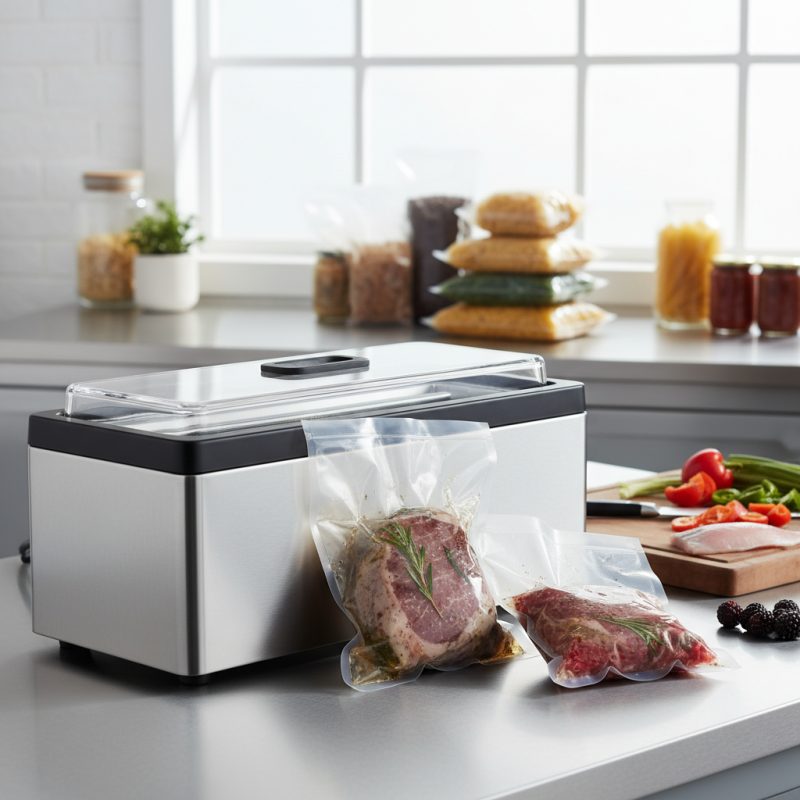
In the world of food preservation, the chamber vacuum sealer has emerged as a revolutionary tool, transforming the way we store and preserve food. This innovative device utilizes a vacuum sealing process that removes air from specially designed pouches, significantly reducing the risk of spoilage and freezer burn. For both home cooks and professional chefs, the benefits of using a chamber vacuum sealer extend beyond mere food storage; they encompass enhanced flavor retention, extended shelf life, and the ability to marinate food in record time.
One of the most significant advantages of a chamber vacuum sealer is its ability to preserve the freshness of ingredients. By eliminating air, the sealer slows down oxidation, which is one of the leading causes of food degradation. Additionally, the vacuum sealing process helps in storing liquids and delicate items that traditional sealer methods might compromise. This level of preservation not only ensures that food maintains its quality but also allows for bulk buying and meal prepping without the fear of waste.
Moreover, the versatility of a chamber vacuum sealer makes it an indispensable kitchen gadget. It can be used for various applications, such as sous vide cooking, storing dry goods, and even safeguarding items for outdoor adventures. As more people become aware of the importance of food preservation, the chamber vacuum sealer stands out as an essential tool that not only saves money but also enhances the overall culinary experience.
Benefits of Chamber Vacuum Sealers for Extending Shelf Life of Food
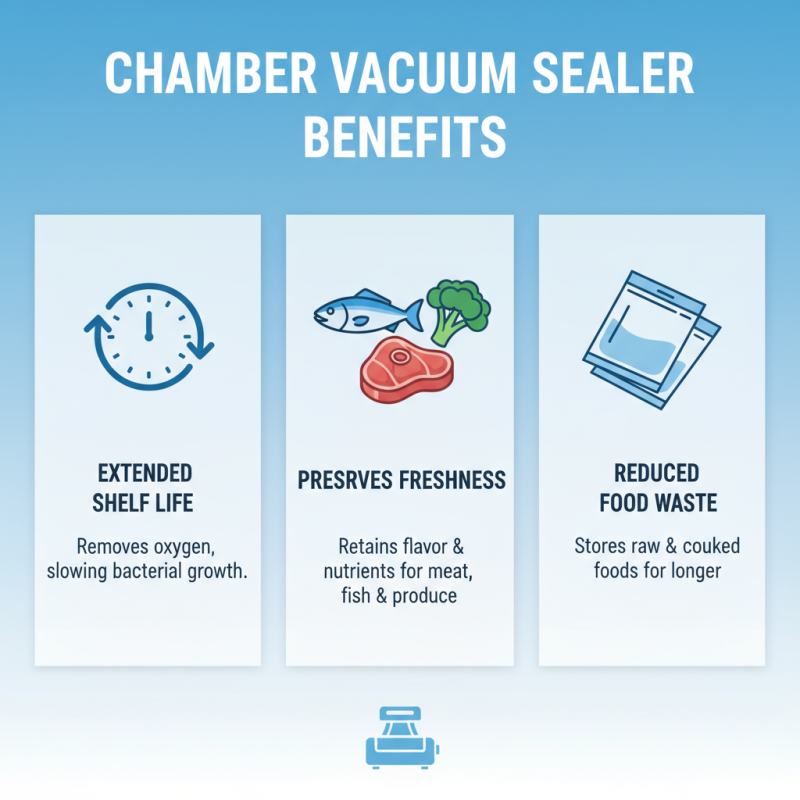
Chamber vacuum sealers have become essential tools in food preservation, particularly for extending the shelf life of various food items. By creating a vacuum seal around the food, these machines effectively remove air from the packaging, which is a primary factor in food spoilage. Without oxygen, the growth of bacteria and mold is significantly slowed, allowing both raw and cooked foods to remain fresh for longer periods. This technology is particularly beneficial for storing meat, fish, and produce, ensuring that they retain their original flavor and nutrients.
In addition to reducing spoilage, chamber vacuum sealers also help prevent freezer burn and oxidation. Freezer burn occurs when food is exposed to air and forms ice crystals, which can alter its texture and taste. The airtight seal created by the chamber vacuum sealer not only protects the food from this unpleasant condition but also helps to maintain its quality for use in future meals. As a result, the investment in a chamber vacuum sealer pays off by reducing waste and preserving food quality, making meal preparation more efficient and cost-effective in the long run.
Enhancing Flavor Retention in Vacuum-Sealed Foods: A Statistical Overview
Vacuum sealing has become an increasingly popular method for food preservation, and significant research underscores its ability to enhance flavor retention. When food is vacuum sealed, the air is removed from the packaging, drastically reducing the presence of oxygen, which is known to contribute to the oxidation of flavors over time. A recent study showed that vacuum-sealed foods retain up to 50% more of their original flavor compared to traditionally stored items. This highlights the effectiveness of vacuum sealing not only in extending shelf life but also in preserving the sensory qualities that are crucial for a satisfying culinary experience.
In addition to flavor retention, vacuum sealing minimizes moisture loss and prevents freezer burn, both of which can alter the taste and texture of food. Items such as fruits, vegetables, and meats sealed in this manner have shown a remarkable ability to maintain their freshness, with one analysis indicating that vacuum-sealed produce can last three to five times longer than conventional methods. When it comes to home-cooked meals or marinated dishes, vacuum sealing further concentrates flavors, allowing spices and marinades to permeate the food more effectively. As consumers increasingly seek out methods to enhance their food preservation processes, the statistical evidence supporting the benefits of vacuum sealing continues to grow, making it a compelling option for anyone looking to improve their culinary outcomes.
Top Benefits of Using a Chamber Vacuum Sealer for Food Preservation
This chart illustrates the various benefits of using a chamber vacuum sealer for food preservation, rated on a scale from 1 to 10. As shown, flavor retention is the highest rated benefit, significantly enhancing the taste of vacuum-sealed foods.
Comparative Analysis: Chamber Vacuum Sealers vs. Traditional Food Storage
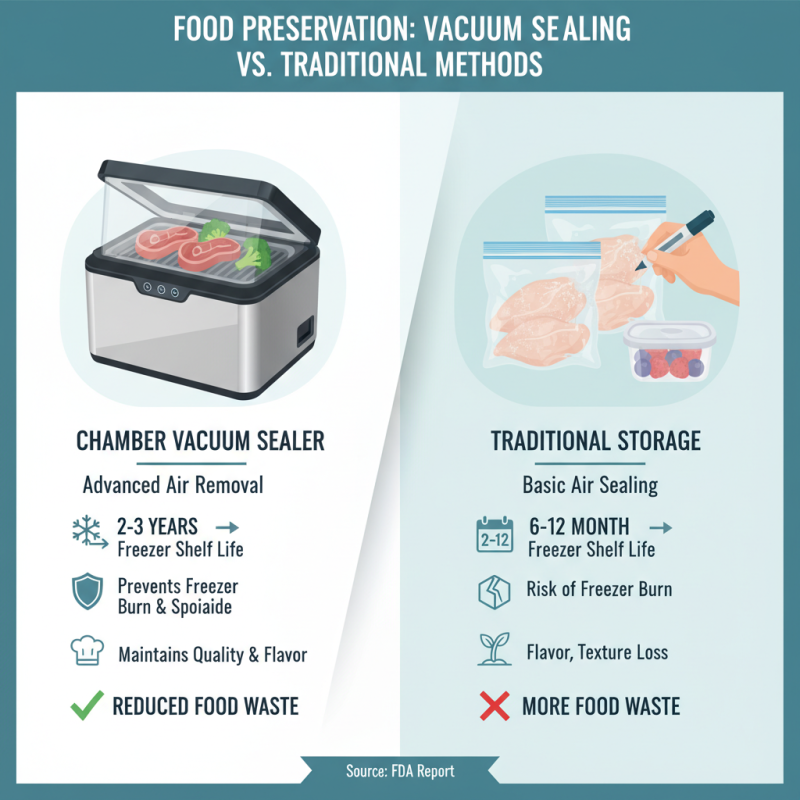
When it comes to food preservation, the choice between chamber vacuum sealers and traditional food storage methods can significantly impact both quality and longevity. Chamber vacuum sealers utilize a more advanced sealing technology that removes air from a sealed bag while simultaneously sealing it. This process not only protects food from freezer burn but also maintains its freshness for a longer period. According to a report by the Food and Drug Administration (FDA), properly vacuum-sealed food can last 2-3 years in the freezer compared to just 6-12 months using conventional storage methods, significantly reducing food waste.
Additionally, chamber vacuum sealers excel in retaining moisture and flavor, factors that traditional methods often fail to preserve. A study from the Institute of Food Technologists highlights that vacuum-sealed meats can maintain up to 70% more moisture than traditionally wrapped meats after six months in the freezer. This enhanced preservation is crucial for chefs and home cooks alike who strive to maintain the quality of their dishes. Furthermore, the elimination of air prevents the growth of aerobic bacteria, extending shelf life without the need for preservatives, making chamber vacuum sealers a healthier alternative to conventional food storage techniques.
Understanding the Cost Efficiency of Using Vacuum Sealers in Food Industry
The cost efficiency of using vacuum sealers in the food industry plays a crucial role in optimizing operations and reducing waste. By effectively removing air from packaging, chamber vacuum sealers extend the shelf life of products, allowing businesses to reduce spoilage and losses associated with perishable items. This ability to prolong freshness translates to significant savings over time, as fewer resources are spent on replacing expired inventory.
Investing in a chamber vacuum sealer can also streamline processes, enhancing productivity within the food industry. By automating the sealing process, businesses can package products faster and more consistently, minimizing labor costs and increasing throughput. Moreover, vacuum sealing can help in portion control, ensuring that meals or products are packaged in ideal sizes, which can reduce overall food waste and improve inventory management. This balance between minimizing costs and maximizing efficiency makes vacuum sealers an invaluable tool for food businesses striving to maintain profitability while delivering quality products to their customers.
Impact of Vacuum Sealing on Nutritional Preservation: Key Findings and Data
Vacuum sealing has revolutionized food preservation, providing significant benefits in maintaining the nutritional quality of a variety of foods. According to a study published by the Institute of Food Technologists, vacuum sealing can effectively reduce oxidation, which is one of the leading causes of nutrient degradation. When comparing vacuum-sealed foods with traditionally stored options, it was found that vacuum-sealed fruits and vegetables retained up to 90% of their vitamins and minerals, particularly vitamin C and folate, over extended storage periods. This demonstrates the profound impact vacuum sealing can have on prolonging food freshness and nutritional integrity.
Moreover, research conducted by the USDA Agricultural Research Service highlights that vacuum-sealed meats can maintain their quality and safety for much longer than their counterparts stored in regular packaging. Specifically, vacuum-sealed meats have been shown to last 2-3 times longer in the freezer without a significant decline in flavor or nutritional content. By eliminating air exposure, vacuum sealing effectively inhibits the growth of bacteria and minimizes enzymatic reactions that cause spoilage. These findings suggest that investing in a chamber vacuum sealer not only enhances the longevity of food products but also plays a crucial role in preserving their nutritional benefits, making it an essential tool for health-conscious consumers.