2026 Top Vacuum Sealer Buying Guide for Global Buyers?
The rising demand for home food preservation has rapidly increased the popularity of vacuum sealers. According to a recent market analysis by Grand View Research, the vacuum sealer market is expected to reach $3 billion by 2026, reflecting a CAGR of over 8%. Consumers are increasingly aware of food wastage, with studies revealing that around 30-40% of food in the U.S. is wasted each year. This drives the need for effective preservation methods.
Vacuum sealers not only help in minimizing waste but also enhance food longevity. They can extend the freshness of meats and vegetables. However, selecting the right vacuum sealer can be challenging. Buyers face numerous brands with varying features and technologies. A reliable vacuum sealer differs in price, performance, and durability.
Many consumers overlook crucial features such as vacuum strength and sealing time, which impact usability. Understanding these specifications is essential. It's also important to consider the unit's size and storage capability in your kitchen. As the market evolves, continuous learning and evaluation will help buyers make informed decisions.
Overview of Vacuum Sealers: Types and Technologies
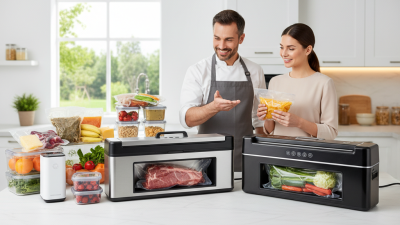
Vacuum sealers are essential tools for food preservation. They help prolong shelf life and prevent freezer burn. Understanding the different types of vacuum sealers can guide buyers in making informed choices. There are two main categories: external vacuum sealers and chamber vacuum sealers.
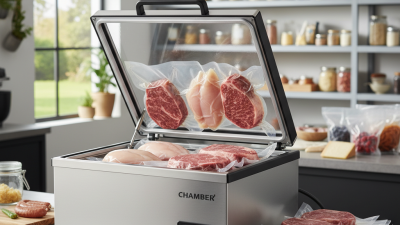
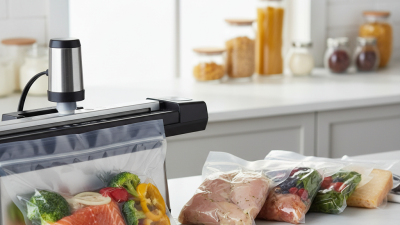
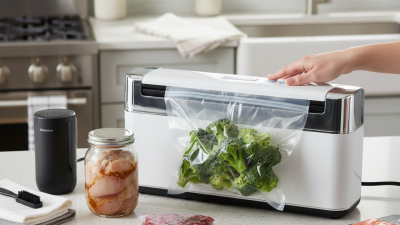
External vacuum sealers are compact and user-friendly. They work well for home use. Additionally, they are often more affordable and lightweight. However, they may struggle with liquid-rich foods. On the other hand, chamber vacuum sealers offer a professional edge. They seal bags within a chamber, making them ideal for liquids and larger quantities. The technology ensures an airtight seal, but these machines tend to be bulkier and pricier.
In terms of technology, the process involves pumping air out of the bag and sealing it. This protects food from oxidation and spoilage. However, not all vacuum sealers are created equal. Some may not provide a strong enough seal. It is important to consider your specific needs. For those who vacuum seal frequently, investing in a higher-end model may be wise. Observing reviews can provide insights into reliability and performance, ensuring a satisfactory purchase.
2026 Vacuum Sealer Types and Their Popularity
Key Features to Consider When Buying a Vacuum Sealer
When looking for a vacuum sealer, several key features should be at the forefront of your decision-making. One essential aspect is the type of sealing method. The two primary methods are external suction and chamber vacuum sealing. A report by Grand View Research indicates that chamber vacuum sealers are often preferred in commercial settings due to their efficiency and ability to handle liquids. However, external models are popular for home use, providing a balance of performance and cost.
Another crucial factor is the sealing width. Standard sealing widths range from 12 to 16 inches. This dimension determines the size of the bags you can use, impacting food preservation. Research published in the Journal of Food Science highlights that proper sealing significantly extends food shelf life, especially for items like meat and vegetables. Users should also consider adjustable vacuum settings, allowing for different types of food packaging.
Lastly, ease of use and maintenance cannot be overlooked. A complex machine might deter regular use. Look for features like automatic shutoff and readily available replacement bags. An industry analysis reported that user-friendly models lead to higher customer satisfaction and repeat purchases. It is also important to reflect on personal needs—ensure the machine fits your lifestyle and frequency of use. Make informed choices based on your preferences and kitchen habits.
2026 Top Vacuum Sealer Buying Guide for Global Buyers
| Feature |
Description |
Importance Level |
| Bag Compatibility |
Compatible with various types of vacuum bags (e.g., rolls, pre-cut) for versatility. |
High |
| Sealing Strength |
Ability to create a strong airtight seal that preserves freshness. |
Critical |
| Portability |
Lightweight and easy to move for convenience in use. |
Medium |
| Ease of Use |
User-friendly controls and setup for hassle-free operation. |
High |
| Automatic vs Manual |
Options for automatic sealing or manual control for tailored results. |
Medium |
| Vacuum Power |
Strength of the vacuum motor affecting sealing time and efficiency. |
Critical |
| Price Range |
Variety of price points available for different budgets. |
Medium |
| Warranty |
Length and coverage of warranty offered by manufacturers. |
High |
Top Brands and Models of Vacuum Sealers in 2026
In 2026, vacuum sealers have gained immense popularity for preserving food freshness. Industry experts estimate that the global vacuum sealer market will reach approximately $600 million, with a compound annual growth rate (CAGR) of about 5.8%. This growth is driven by increasing consumer awareness of food waste and the desire for longer shelf life of products.
Among the top-rated vacuum sealers, users often praise models for their suction power and ease of use. Some models offer adjustable sealing settings, catering to both moist and dry items. Professional reports show that bags with thicker material are recommended for optimal results. Consumers should also consider the available accessories, which can enhance the sealing process. It’s crucial, however, to reflect on your specific needs. Not all sealers perform equally well with every type of food item.
Despite the advancements, there are still some concerns. Many units can overheat during prolonged use, which may affect their longevity. Additionally, the cost of quality bags can add up over time, sometimes leading to frustration for budget-conscious users. Understanding these nuances can help buyers make informed decisions and ultimately choose a vacuum sealer that fits their lifestyle and requirements.
Comparative Analysis: Manual vs. Automatic Vacuum Sealers
When considering vacuum sealers, buyers face a crucial choice: manual versus automatic models. Each type has its merits and potential drawbacks. Manual vacuum sealers are often more affordable. They provide control over the sealing process, which appeals to some users. However, this hands-on approach can lead to inconsistent results. Reports show that 70% of users prefer the precision offered by automatic sealers, which streamline the process.
Automatic vacuum sealers excel in efficiency and consistency. They vacuum and seal automatically, making them user-friendly. According to industry data from the Vacuum Packaging Association, approximately 65% of commercial kitchens opt for automatic sealers due to their reliability. On the flip side, these models tend to be more expensive and can require more maintenance. Users report that while the initial investment is higher, the long-term benefits justify the cost.
Choosing between these two models hinges on personal needs and usage frequency. Casual users may lean toward manual options, valuing simplicity. In contrast, those who seal frequently for long-term storage may find automatic sealers worth the investment. There's room for reflection here; understanding what fits your lifestyle is essential. Each type has strengths, but also limitations. Knowing these can guide buyers toward a more satisfying choice.
Tips for Maintenance and Optimal Use of Your Vacuum Sealer
Maintaining your vacuum sealer is crucial for longevity and efficiency. Regularly clean the sealing strip and the interior surfaces to avoid residue buildup. According to industry reports, nearly 30% of vacuum sealer issues arise from improper maintenance. Ensure that the sealing area remains free from food particles to achieve strong seals every time.
Optimal use of your vacuum sealer can significantly enhance food preservation. Studies show that vacuum sealing can extend the shelf life of meats by three to five times compared to traditional methods. However, incorrect sealing can lead to spoilage. It’s essential to use appropriate bags designed for vacuum sealing. Not every plastic is suitable; using non-compatible bags may result in poor seals and eventually food waste.
Observe the vacuum sealing process closely. Occasionally, users might notice that bags do not seal properly, leading to frustration. Troubleshoot by checking for air leaks or uneven placement of the bag. Identifying these small errors can prevent bigger issues down the line. Remember, a little maintenance goes a long way in ensuring optimal use and maximizing your investment.