2025 Guide: How to Choose the Best Vacuum Sealer for Your Needs
In today’s fast-paced world, preserving food effectively and efficiently has become increasingly important for both home cooks and culinary professionals alike. A vacuum sealer serves as an indispensable tool in the kitchen, allowing users to extend the shelf life of their perishable items while also improving flavor and maintaining freshness. However, with a plethora of options available, choosing the right vacuum sealer to meet your specific needs can be overwhelming.
This guide aims to simplify the decision-making process by providing you with essential insights and considerations. From understanding the different types of vacuum sealers to recognizing key features that enhance usability and performance, our comprehensive overview will help you navigate the market. Whether you intend to store leftovers, prepare meals in advance, or organize your pantry, selecting the best vacuum sealer tailored to your needs can significantly enhance your food preservation efforts and overall cooking experience.
Understanding Vacuum Sealers: Types and Their Uses
When choosing a vacuum sealer, it’s essential to understand the different types available and their
specific uses. Broadly, vacuum sealers can be divided into two categories: external vacuum sealers
and chamber vacuum sealers. External vacuum sealers are typically more compact and user-friendly,
making them perfect for home kitchens where space is limited. They work by removing air from plastic bags and
sealing them shut, thus prolonging the freshness of food by up to five times longer than traditional methods.
Conversely, chamber vacuum sealers are more suitable for commercial use, as they can accommodate larger volumes
and are more efficient in sealing liquids as well.
According to industry reports, the global vacuum sealer market is projected to reach USD 1.5 billion by 2025, highlighting the
growing popularity and necessity of these devices in both home and professional kitchens. Understanding your
specific sealing needs is crucial; for instance, if you often seal delicate items like marinated meats or
liquids, a chamber vacuum sealer might be the better option due to its ability to control the vacuum process
more gently.
Tips: When using an external vacuum sealer, ensure that the bags you choose are compatible
with the machine to avoid leaks. Additionally, always pre-freeze items that may be squished during the sealing
process for optimal results. Consider regularly checking for air leaks in your bags by observing if any area
appears bulged after sealing; this could indicate that air has escaped and the vacuum is not effective.
Key Features to Consider When Choosing a Vacuum Sealer
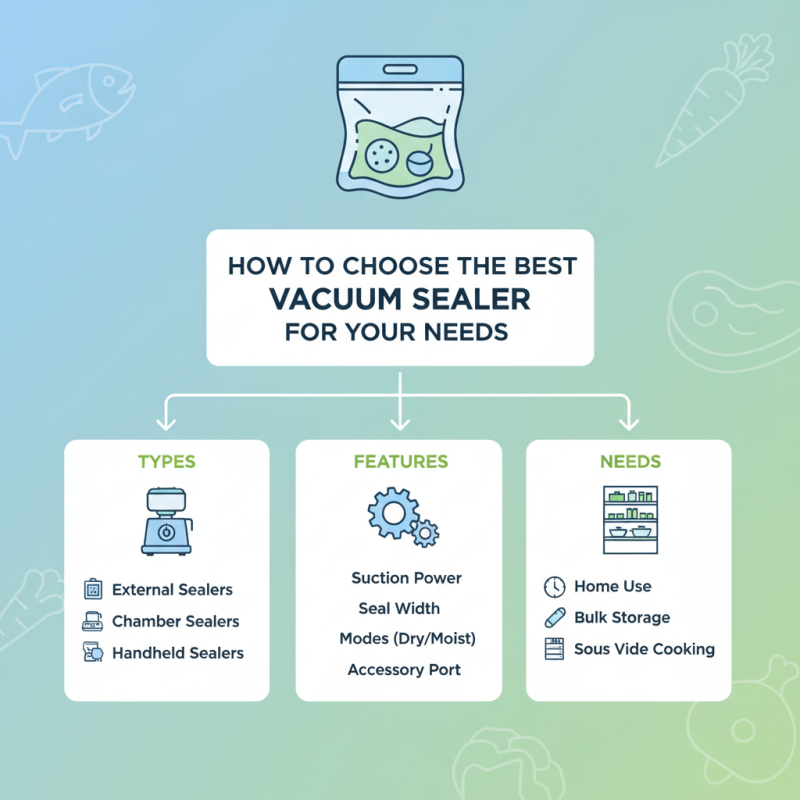
When choosing a vacuum sealer, several key features should guide your decision to ensure it meets your specific needs. First, consider the type of vacuum sealer: countertop or handheld. Countertop models typically offer more power and efficiency, making them ideal for larger quantities or bulk packaging, while handheld options provide convenience for smaller tasks and limited space. Additionally, assess the sealing capacity, which is crucial if you plan to store larger items or meal prep for the week.
Another important aspect is the vacuum strength and speed. A sealer with adjustable suction levels allows you to tailor the vacuuming process to various food types, preserving delicate items like baked goods without crushing them. Furthermore, look for a model with multiple sealing modes, such as dry and moist settings, which enhances versatility. Ease of use and maintenance also matter; a user-friendly interface with easily accessible parts can significantly enhance your overall experience. Finally, consider the availability of compatible bags and accessories, ensuring they are easily obtainable for your chosen model.
2025 Guide: How to Choose the Best Vacuum Sealer for Your Needs
| Feature |
Description |
Importance Level |
Price Range |
| Type of Sealer |
External vs. Chamber Sealers |
High |
$50 - $500 |
| Seal Quality |
Vacuum Level & Seal Strength |
High |
$60 - $600 |
| Ease of Use |
User-friendly controls and operation |
Medium |
$40 - $300 |
| Size and Design |
Compact vs. larger models based on storage capacity |
Medium |
$30 - $200 |
| Accessories |
Included bags, canisters, and attachments |
Medium |
$10 - $100 |
| Warranty |
Length and conditions of warranty |
High |
N/A |
Evaluating Your Food Storage Needs and Vacuum Sealer Capacity
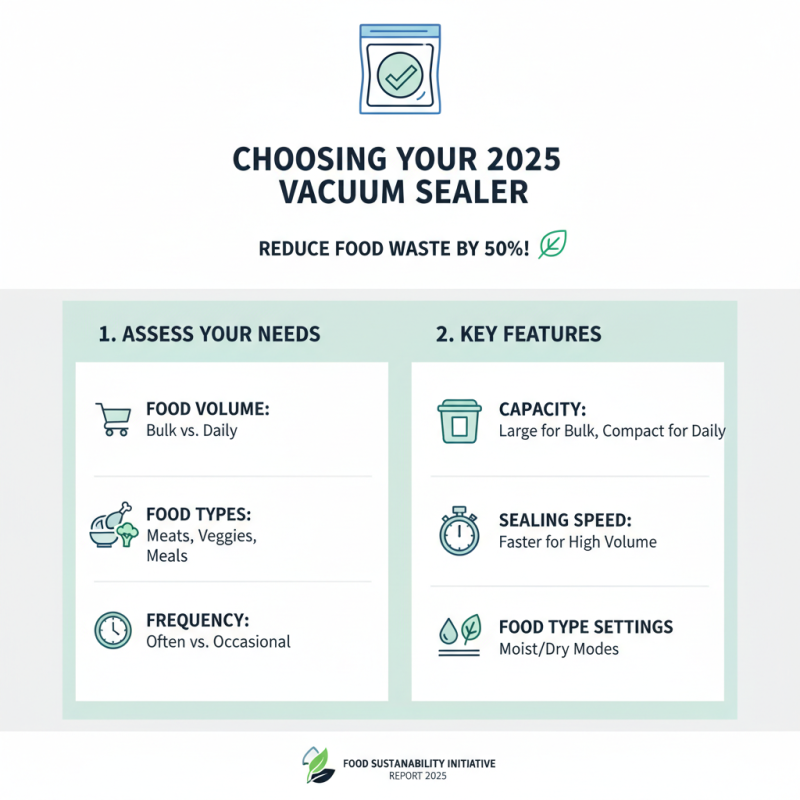
When selecting the best vacuum sealer for your needs in 2025, it's essential to first evaluate your food storage requirements. According to a report by the Food Sustainability Initiative, proper food storage can reduce food waste by up to 50%, highlighting the importance of an efficient vacuum sealing system. Understanding the volume of food you typically store and the types of items—like meats, vegetables, or prepared meals—will significantly influence your choice. If you frequently seal bulk items, a vacuum sealer with a larger capacity and higher sealing speed may be imperative to accommodate your needs.
Moreover, the capacity of the vacuum sealer directly impacts your food preservation efforts. According to industry research conducted by the Home Appliance Manufacturers Association, vacuum sealers with a capacity range of 12 to 16 inches provide the versatility needed for various foods, ensuring a tight seal that prolongs shelf life and retains nutritional value. For those who focus on sous-vide cooking or regularly prepare family-sized meals, selecting a machine that can handle larger bags will be beneficial. Conversely, for individuals or those with limited storage space, a compact model may be more appropriate, offering sufficient sealing power without occupying excessive countertop area.
Comparing Manual vs. Automatic Vacuum Sealers
When it comes to choosing a vacuum sealer, understanding the differences between manual and automatic options is essential. Manual vacuum sealers offer greater control over the sealing process, allowing users to adjust the pressure and sealing time according to the type of food being preserved. This can be particularly beneficial for delicate items like fresh fruits or pastries, where a light seal is preferable to prevent crushing. However, the user must be more involved in the process, which may be a bit tedious for those looking to quickly handle multiple items.
On the other hand, automatic vacuum sealers simplify the food preservation process by doing the job with minimal user input. These machines detect the type of food being sealed and adjust the settings automatically, ensuring a consistent and effective seal every time. This feature makes them an excellent choice for busy individuals or families who want to streamline their meal prep without sacrificing quality. When time is of the essence, automatic sealers can save you a considerable amount of effort.
Tips: Regardless of the type of vacuum sealer you choose, always ensure your bags are compatible with your machine. For manual sealers, practice sealing various items to perfect your technique, especially with more delicate foods. If opting for an automatic model, familiarize yourself with its settings to maximize efficiency and enjoy powerful food preservation with ease.
Maintenance Tips for Ensuring Longevity of Your Vacuum Sealer
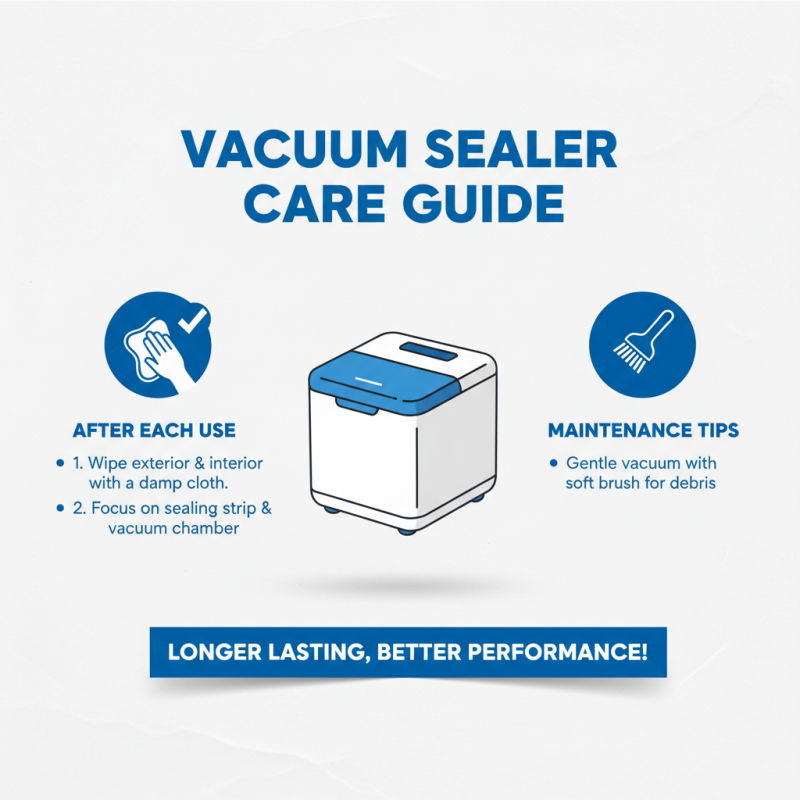
Maintaining your vacuum sealer is essential for ensuring its longevity and optimal performance. Regular cleaning is one of the most important practices you can adopt. After each use, wipe down the exterior and interior components with a damp cloth to remove any residue or moisture that may accumulate. Pay special attention to the sealing strip and the vacuum chamber, as food particles can lead to malfunction. A gentle vacuum of the sealing area with a soft brush can help to dislodge any stubborn debris, ensuring a tight seal on future uses.
Another key factor in prolonging the life of your vacuum sealer is proper storage. When not in use, keep the device in a cool, dry place to prevent moisture damage. Avoid stacking heavy items on top of it, as pressure could misalign internal components. Additionally, ensure that the power cord is wrapped neatly to prevent fraying or disconnections. By taking these simple maintenance steps, you can keep your vacuum sealer functioning effectively and extend its useful life, allowing you to enjoy the benefits of vacuum sealing for years to come.